Seattle · how to pack for a move

Pack a home you can still live in

Start with the rooms, keep the useful things within reach and decide what should be opened first. Packing is a sequence, not a race to seal every carton.

Packing, in order

Four scenes from a more usable packing plan

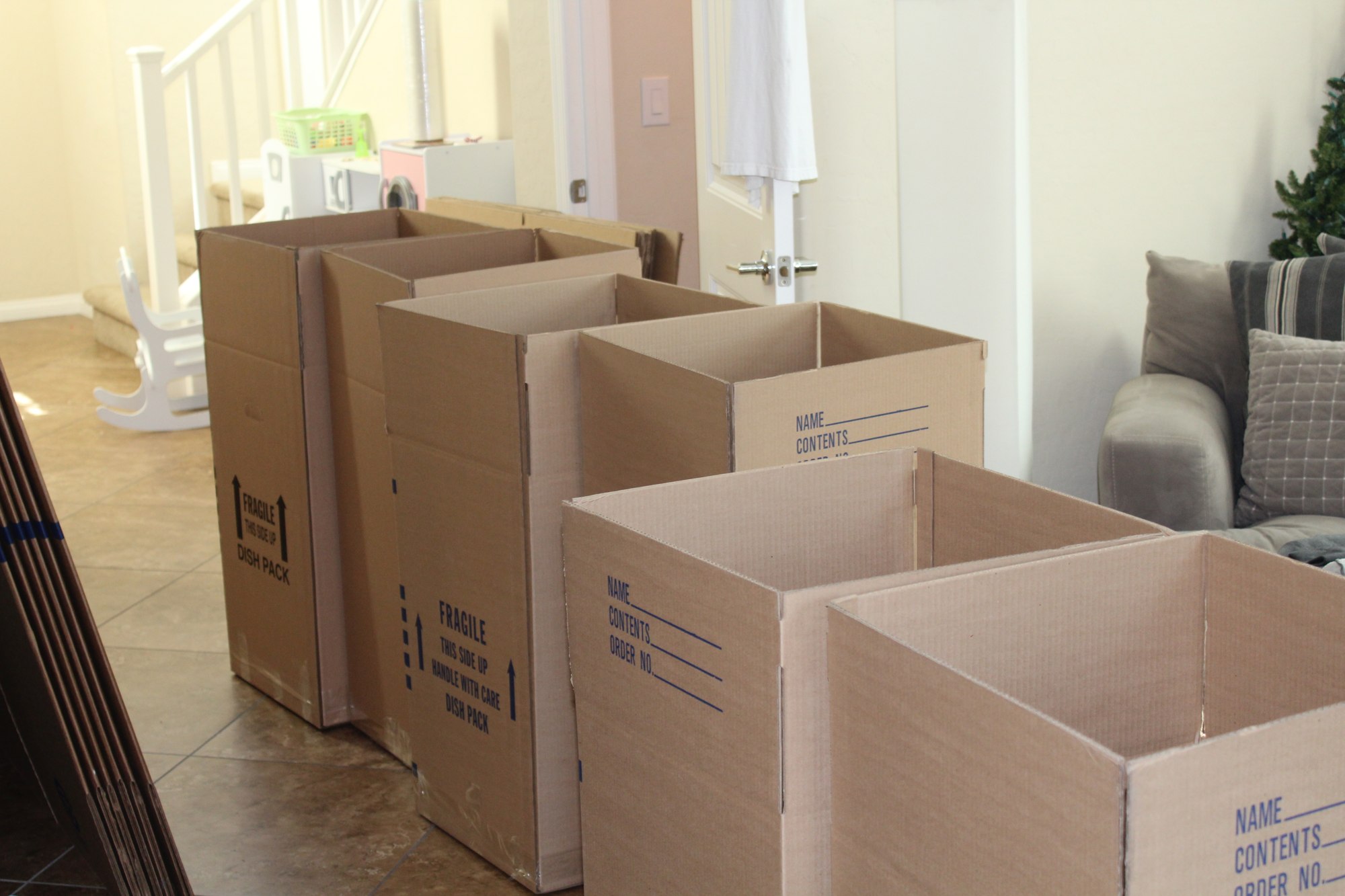
Open cardboard moving boxes with printed contents fields standing in a household room
Packing sequence · object study
01

Give the open cartons a destination

Open boxes line this room, with printed spaces ready for names and contents. That pause before the tape is a useful part of packing: decide which objects belong together and where the carton should go at the new address.

A kitchen label gets it to a room; a clear priority tells you whether to open it tonight or next week. Keep loads manageable and ask the chosen provider how it wants special items prepared. Photograph connections before disconnecting equipment, and put the instructions somewhere you can find without opening every box.

Fit packing into the moving week
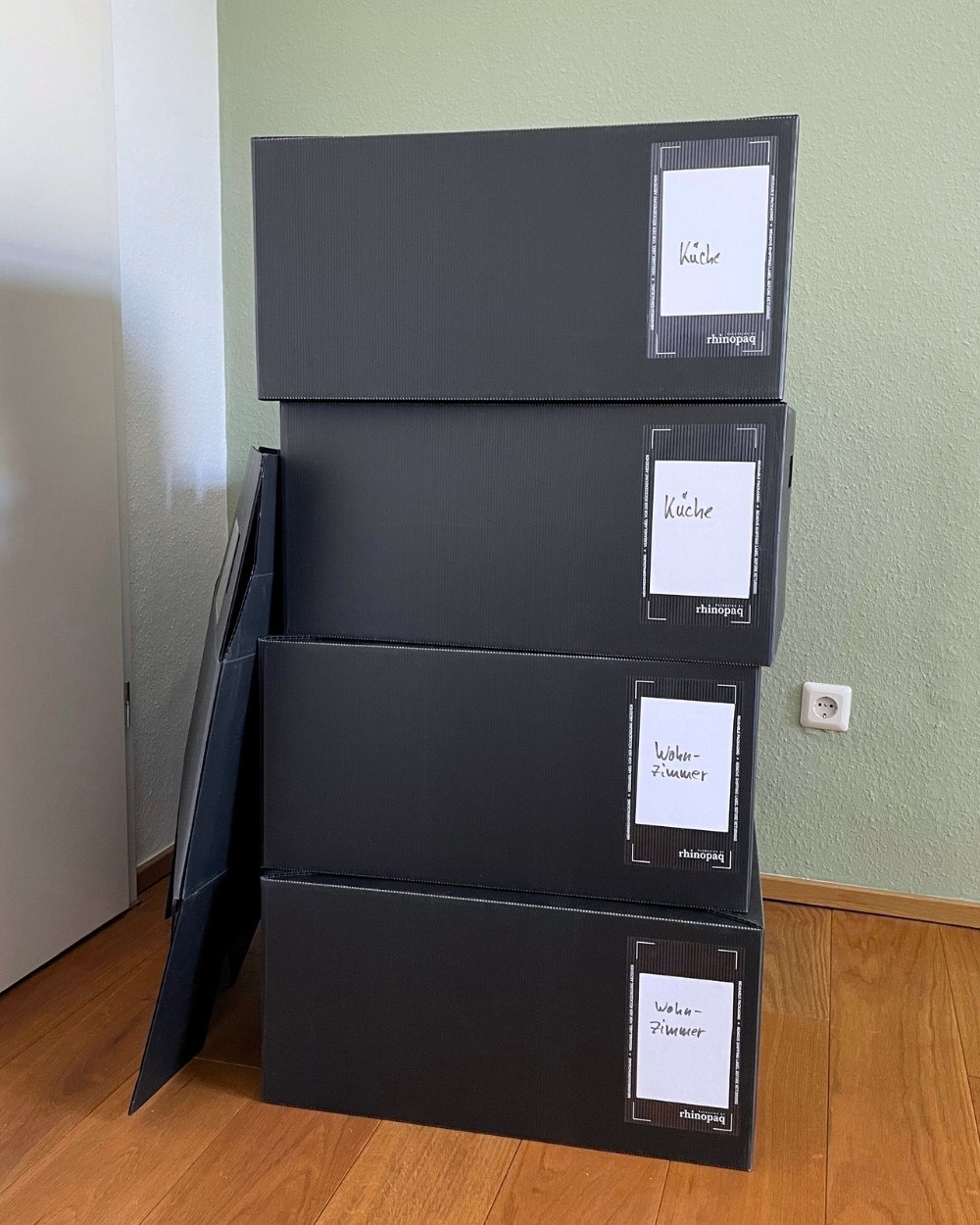
Stacked dark reusable plastic moving boxes on a wooden floor with handwritten room labels
Reusable moving boxes · object study
02

A room label should survive the journey

Handwritten room labels are visible on these stacked reusable plastic moving boxes. Their simple appearance is part of the point: an effective label can be read after the containers have changed rooms, vehicles and hands. Use a consistent destination name and add a priority when it helps. Keep any private information off labels that other people will see. Before renting containers, compare their usable size, weight limit and return arrangements with what you actually own. The rental system should serve your unpacking plan, not create a second confusing deadline.

Compare the container choices
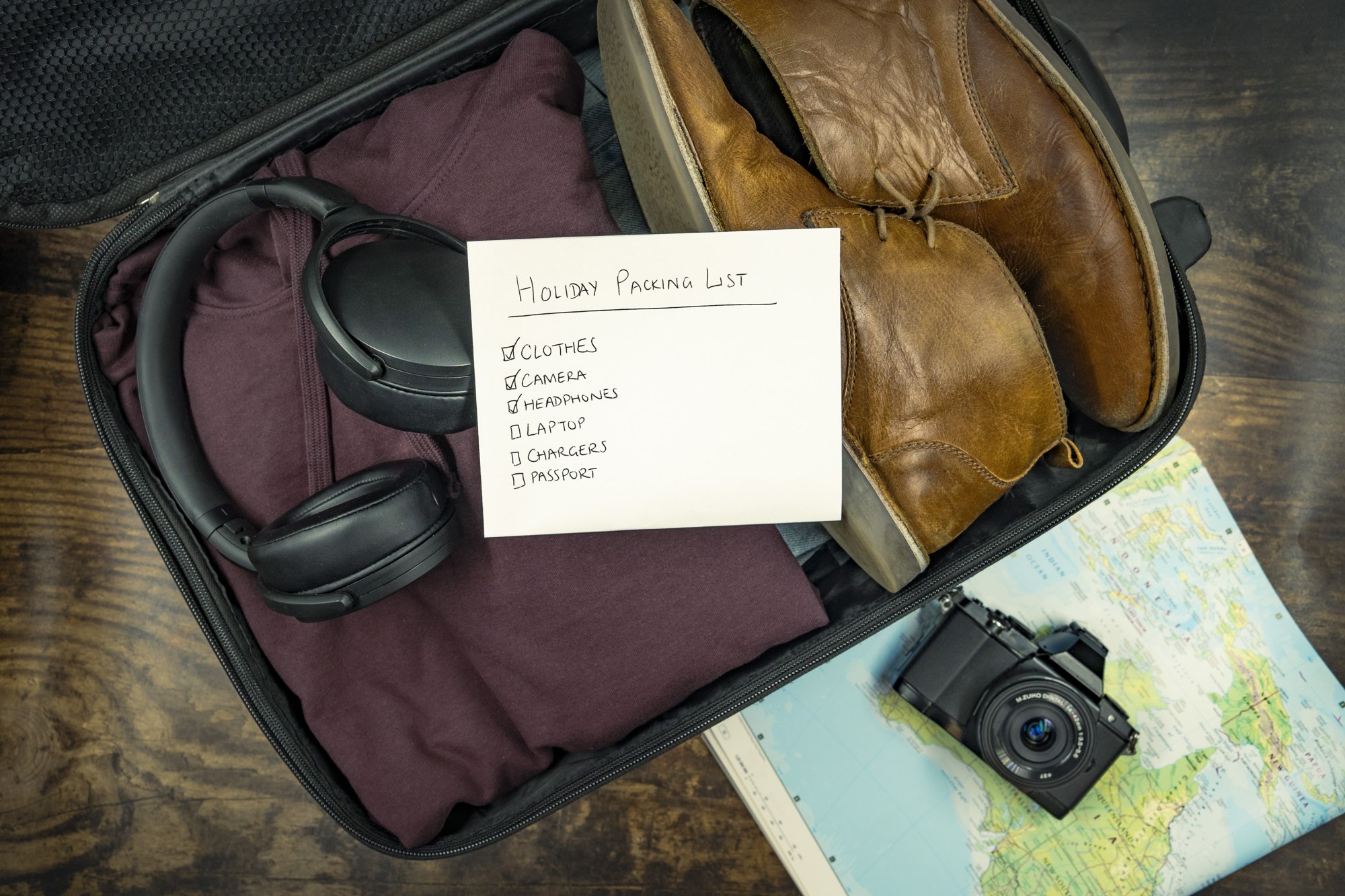
Open travel bag holding folded clothing, boots and travel equipment beside a packing list
Packed travel bag · object study
03

Clothes and daily equipment travel in their own bag

Folded clothing, boots, headphones and travel equipment are together in this open bag. A separate carry-along kit solves a specific problem: some things must remain available while the household shipment is not. Choose the contents for your own travel and arrival, including medication, keys, documents and whatever your household needs first. Keep the bag apart from the general loading area so it does not join the cartons by mistake. For a longer delivery window, plan more than a single evening of essentials.

Plan for time without the shipment
A person handling a cardboard carton at a desk with packing materials, a computer and a window nearby
Packing a carton · workflow study
04

Close one carton without closing down the household

A person works with a cardboard carton at a desk, with packing materials close by. It is a small, recognisable unit of work: bring the contents together, protect them appropriately and finish the label before starting another pile.

In the kitchen, leave a modest working set until the final day—something to eat from, basic drinks and the items you actually use each morning. Separate unsuitable or restricted items and check the provider’s packing instructions. Household chemicals, batteries and other special waste need the appropriate local disposal route, not an anonymous place at the bottom of a carton.

Find the right guide and official references
Your next step

Make a plan you can keep.

Organize the move type, timing and general locations without giving a name, email, phone number or street address. The anonymous itinerary stays in your browser.

Build My Move Itinerary