Seattle · areas we cover

Seattle, one neighborhood at a time

Markets, waterways, hilltop views and places people return to. Nineteen local stories introduce the city; practical moving questions follow the real streets and buildings.

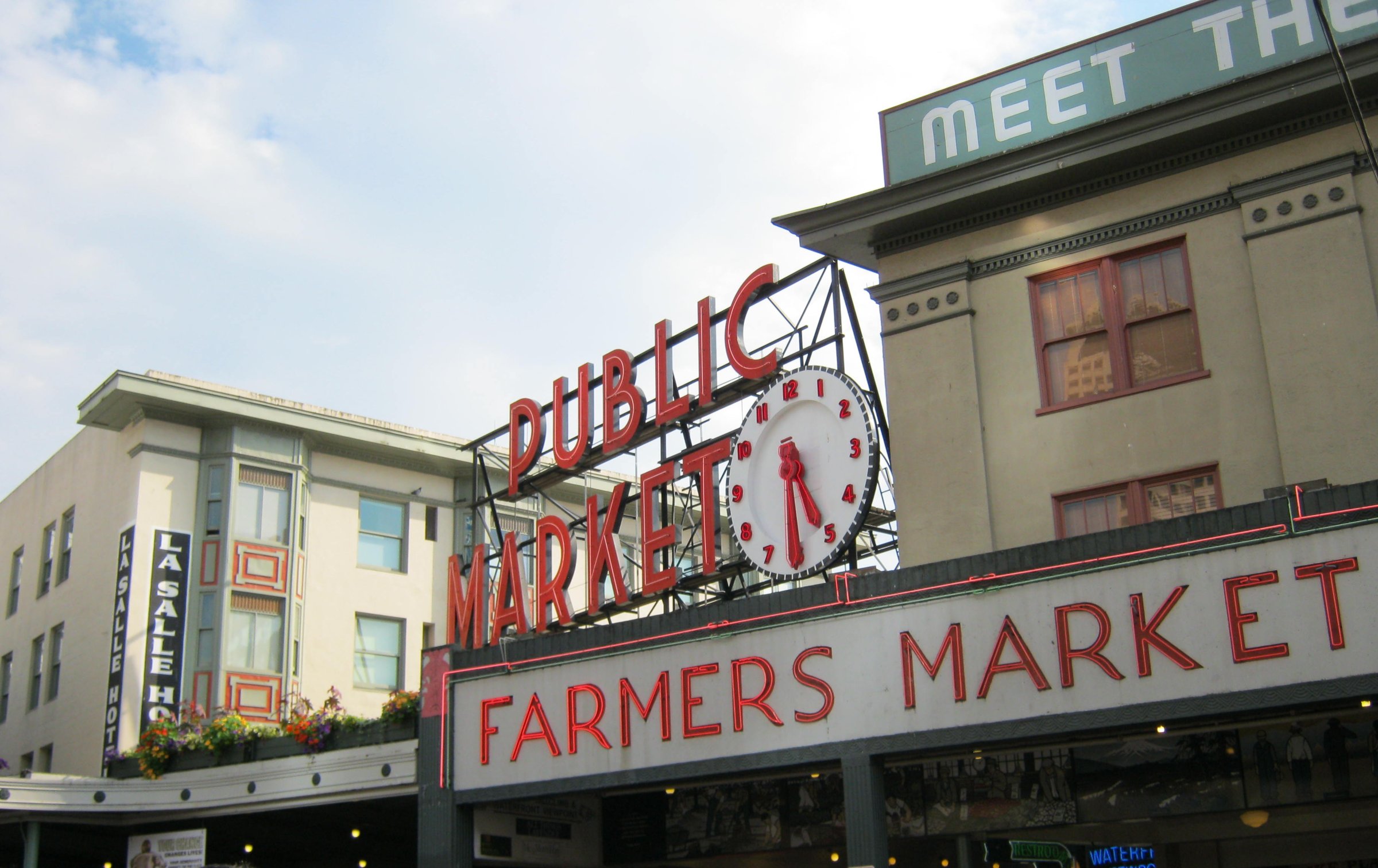
Red Public Market lettering and clock above Pike Place Market in Seattle
Pike Place Market · Seattle
Chapter 01

Downtown, the market and the water

Begin at street level, then follow the city toward Elliott Bay.

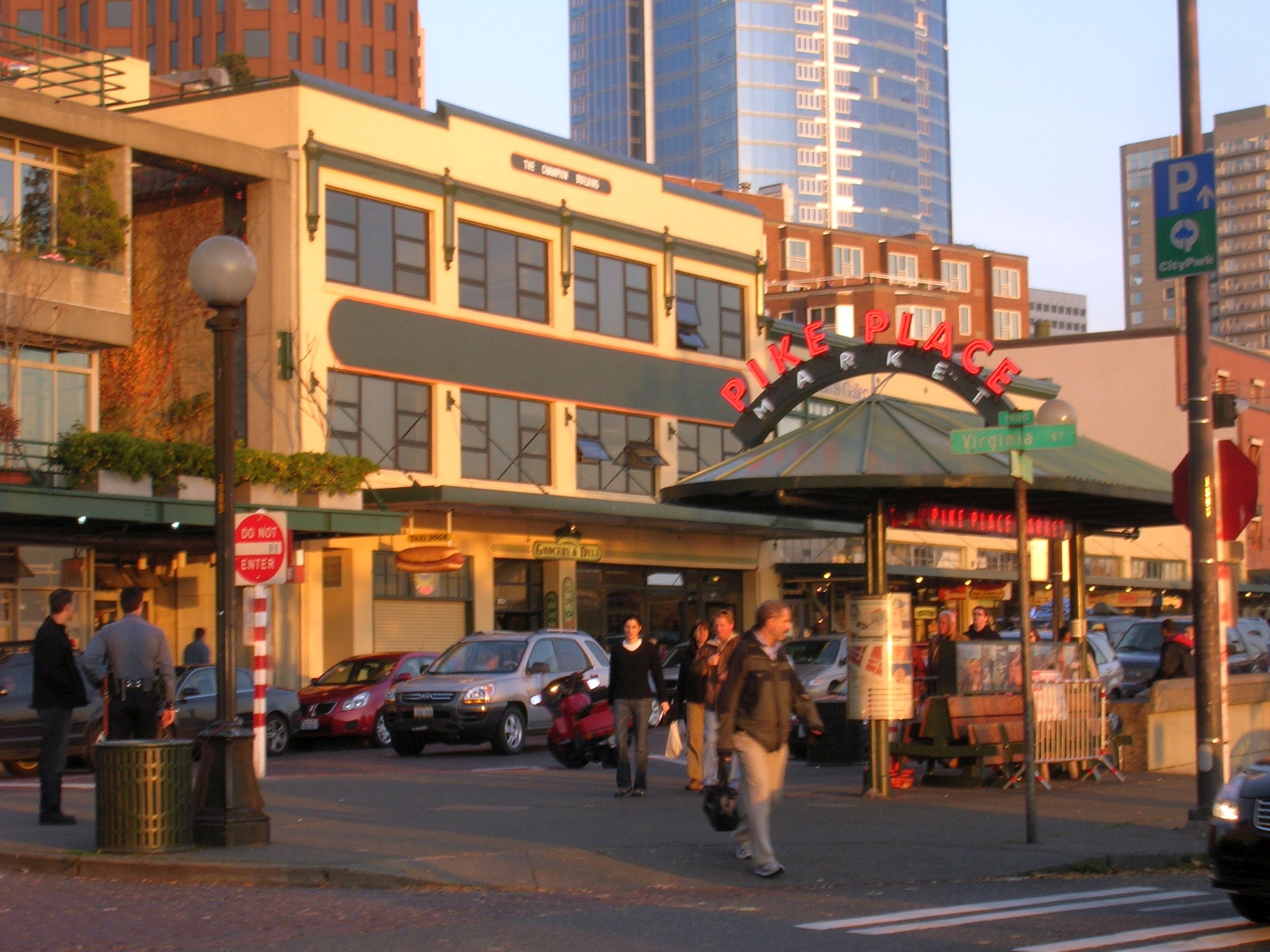
People and storefronts at Pike Place Market under its curved red lettering in Seattle
Pike Place Market · Seattle
01

Pike Place Market: the city at street level

The red market lettering curves above a street filled with pedestrians and small storefronts. Pike Place is worth seeing at street level, where the city becomes shop windows, changing levels and people stopping to look. It can be an outing, but it also invites an everyday question: how would you shop, eat and walk home if you lived nearby? Follow the streets toward the water as well as inland, and notice how quickly the setting changes. If you decide on a nearby home, give its own entrance and loading arrangements a separate look before planning the move.

Plan an urban apartment arrival
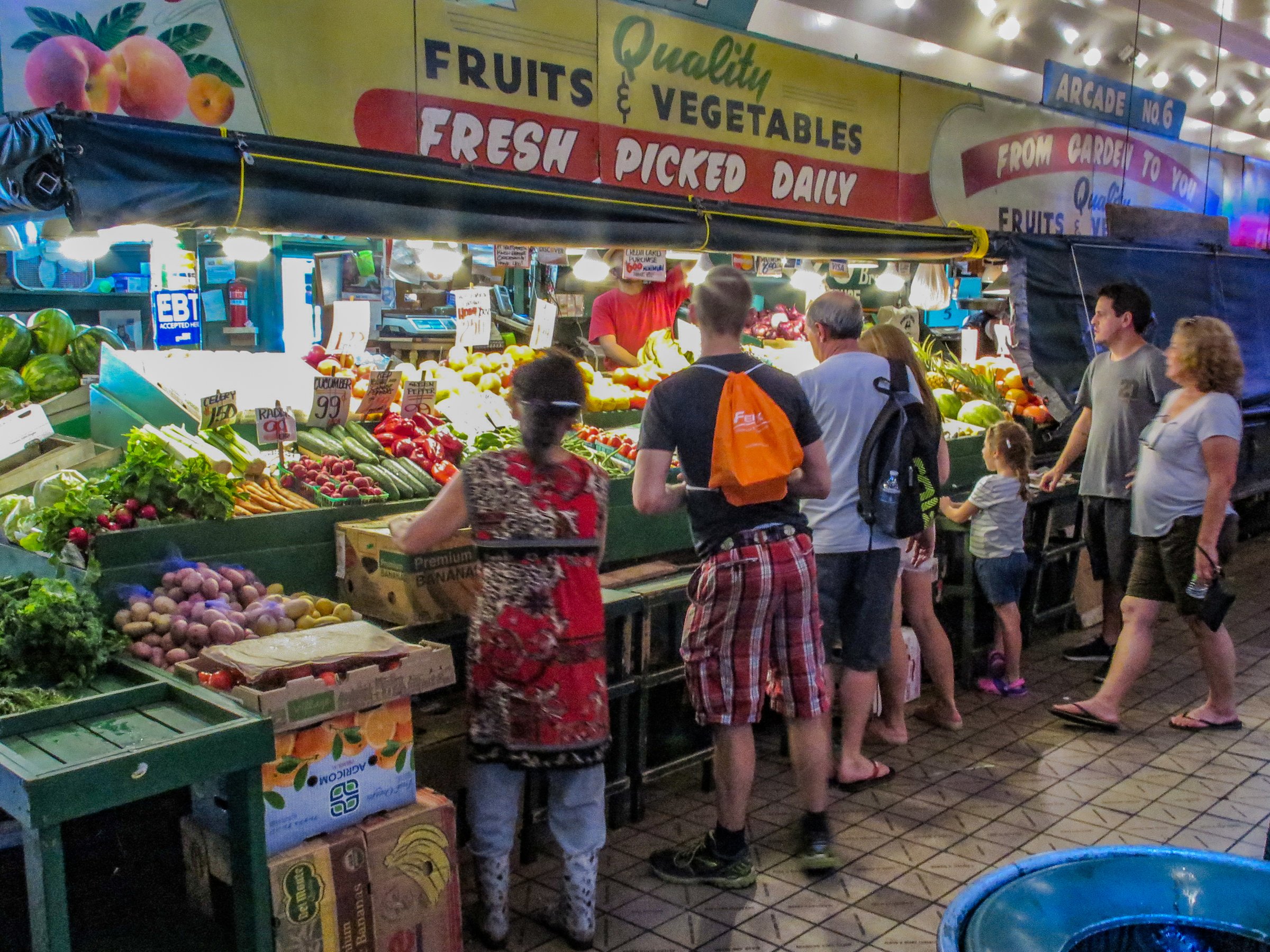
Customers beside colourful fruit and vegetable displays inside Pike Place Market in Seattle
Inside Pike Place Market · Seattle
02

Inside the market, everyday shopping is the story

Customers gather at a colourful fruit and vegetable display inside Pike Place Market. The close spacing of the stalls, handwritten prices and baskets of produce bring the idea of downtown living down to a useful scale: what you would buy on an ordinary day, and how you would carry it home.

Food shopping is one of the simplest ways to test a neighborhood. For a household that spends time in the kitchen, start the move with a realistic inventory of cookware, appliances and pantry goods. Leave a small working set available, then pack for the first breakfast at the new address.

Plan the kitchen’s last morning
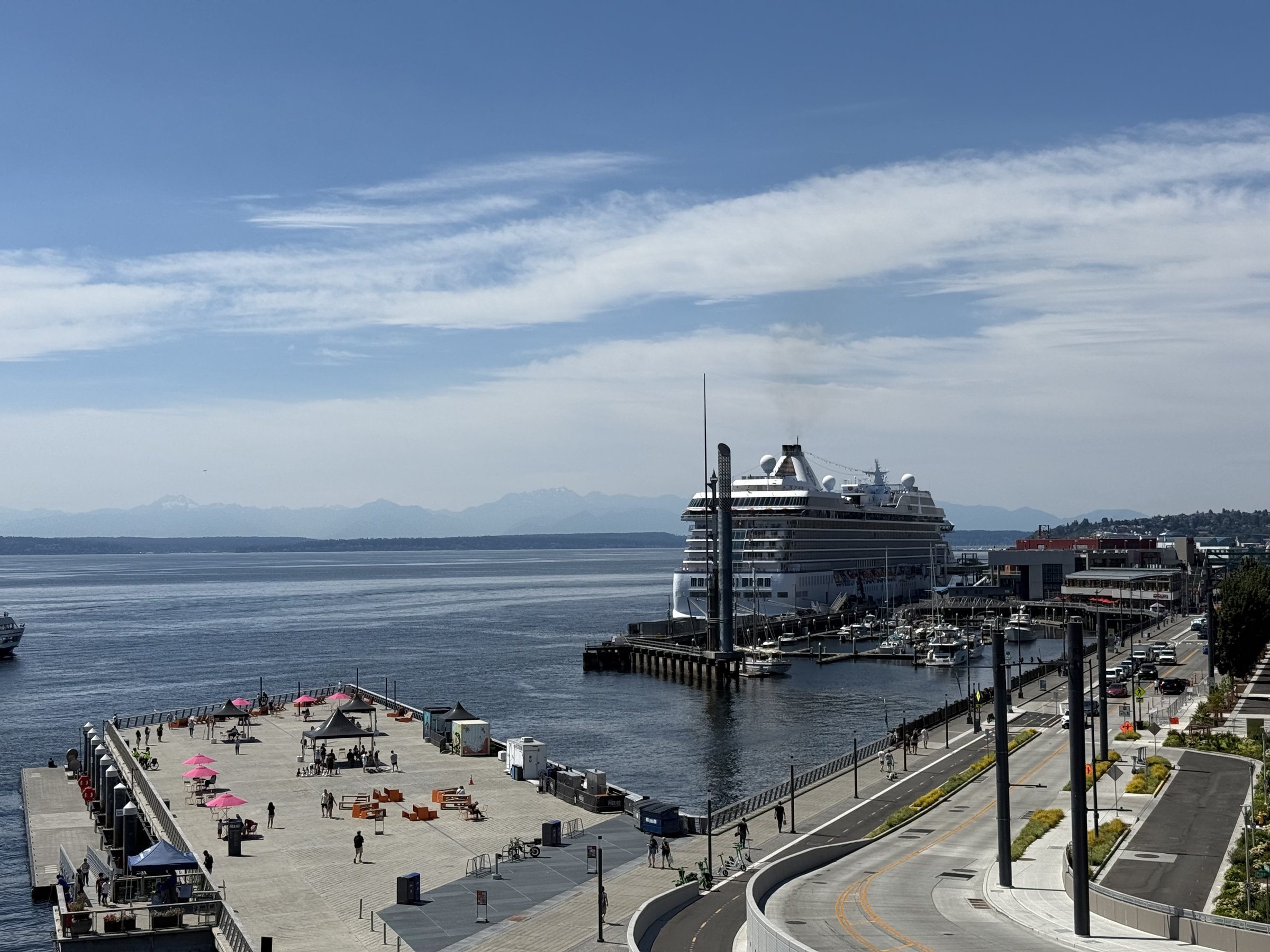
People and umbrellas on Pier 62 beside the Seattle waterfront, with a cruise ship at Pier 66 beyond
Pier 62 · Seattle waterfront
03

Pier 62: a public deck beside a working waterfront

People and bright umbrellas occupy Pier 62, with a larger ship farther along at Pier 66 in this 2025 photograph. The deck turns the waterfront into a place to pause: open water in one direction, the city’s buildings in the other.

It is a different scale from a residential block, and a good reminder to discover Seattle by the places where you would actually spend time. Walk the connection between a prospective home and the water before deciding what “downtown” would mean in your week. For the move itself, confirm the specific street approach and current travel conditions.

Check current travel conditions
Chapter 02

Belltown and Seattle Center

Apartment scale and a city landmark, close enough to explore in the same visit.

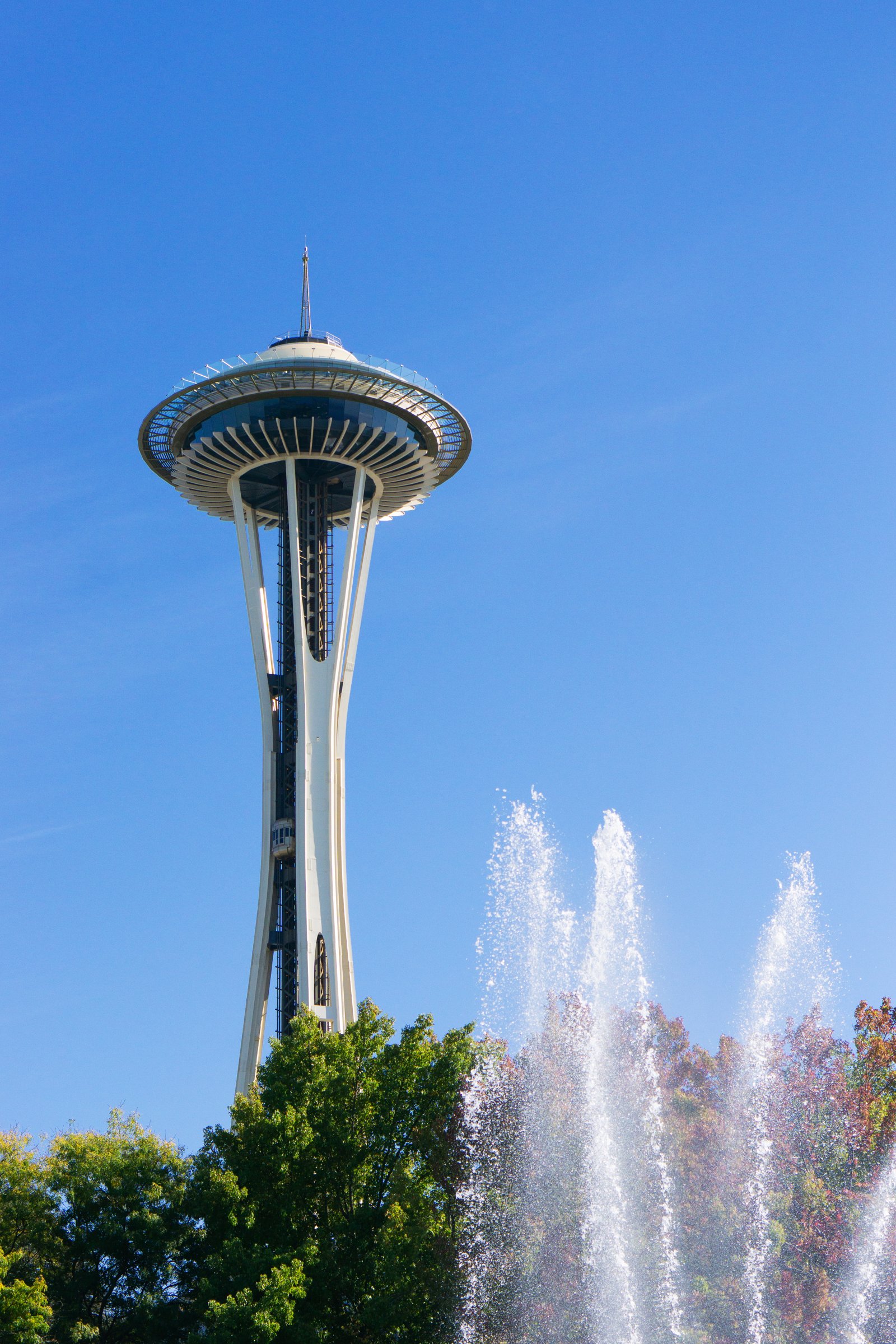
The full Space Needle above trees and fountain jets against a blue sky at Seattle Center
Space Needle · Seattle Center
01

Seattle Center: the Needle above the fountain

Fountain jets rise in front of the Space Needle, with a blue sky outlining the tower above the trees. Seattle Center gives the city a recognizable gathering place, while its surrounding venues and open spaces offer reasons to come back after the first photograph.

Spend time at ground level as well as looking up. If you are considering a nearby home, explore the surrounding streets and think about which parts of the campus you would use. Check relevant venue information when choosing an arrival window, then confirm the instructions for the particular property you are moving into.

Put the local visit on your checklist
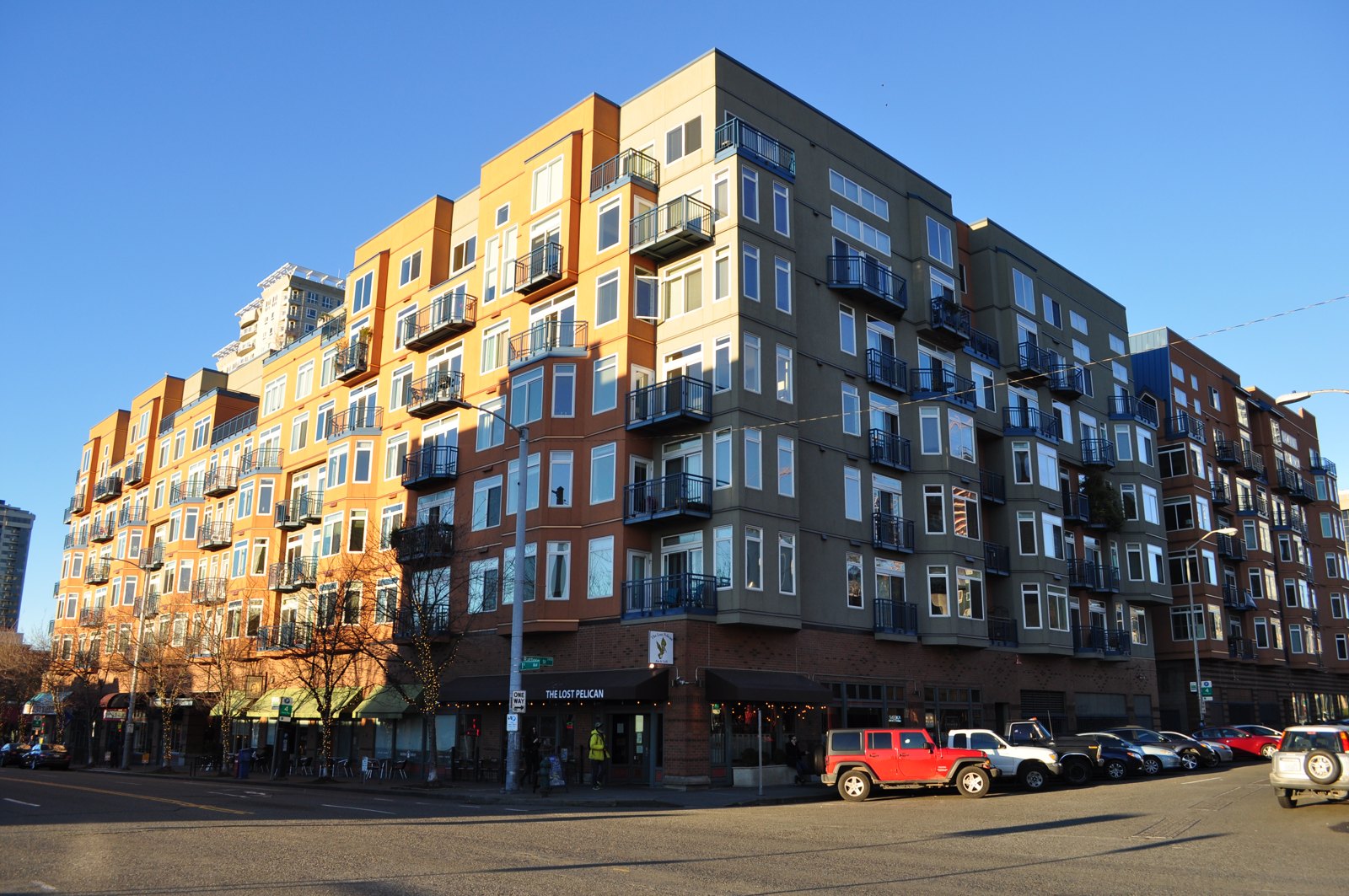
Belltown Court apartments and the street corner at First Avenue and Battery Street
Belltown Court
02

Belltown: a whole building on a corner

Yellow and brick-toned façades wrap around Belltown Court at First Avenue and Battery Street. Balconies, windows and a busy corner give this part of Seattle its apartment scale: home is connected to the street below and to a much larger building around it.

Belltown is best understood block by block, with a look at the particular entrance you would use and the shops or routes that would become familiar. When you plan the move, identify the correct door and the way through the building. The neighborhood visit supplies context; management supplies the property’s actual arrangements.

Read the apartment guide
Chapter 03

Queen Anne, with the city below

A viewpoint is a beginning; the streets around a home tell the rest of the story.

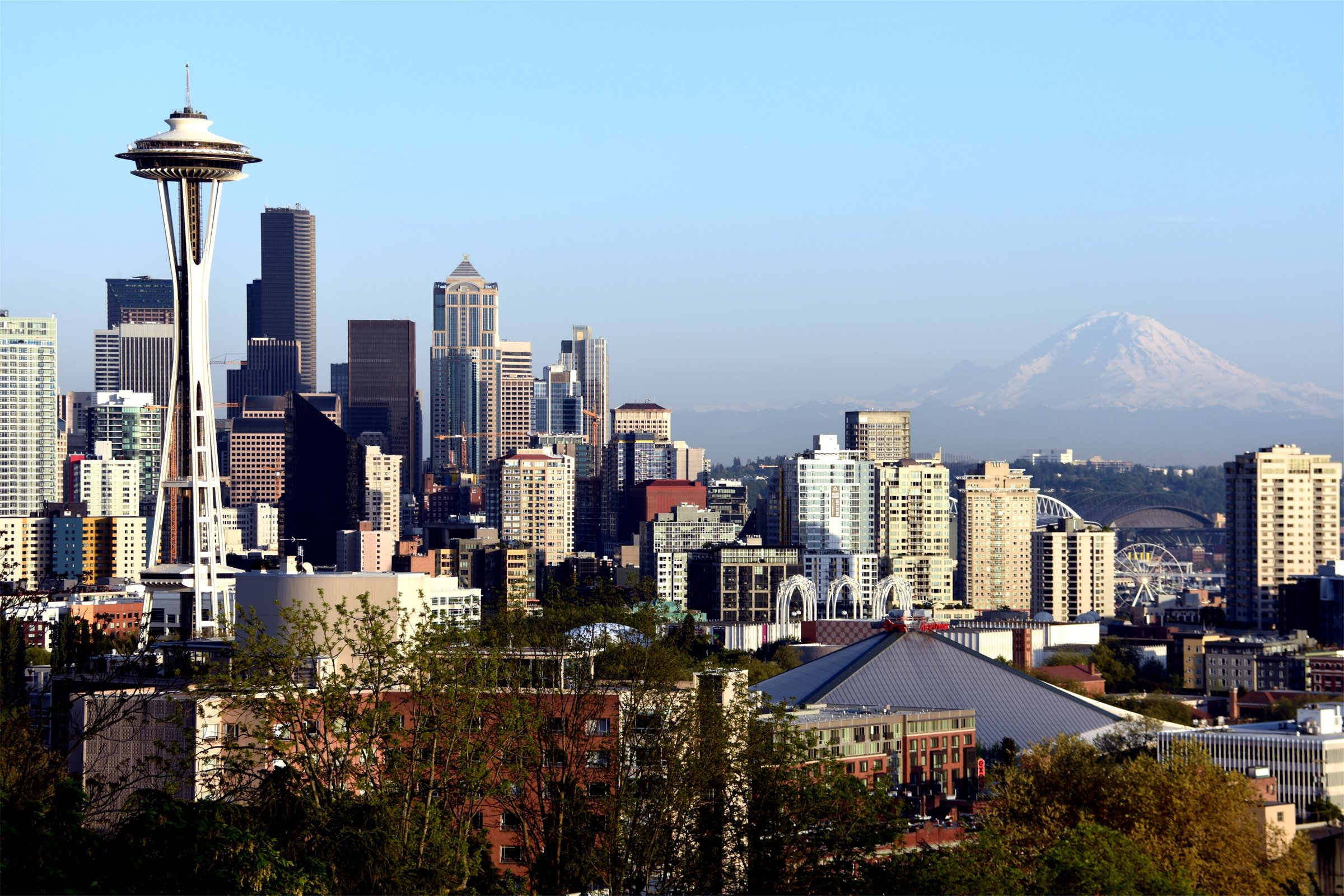
Space Needle and downtown Seattle with Mount Rainier beyond, viewed from Kerry Park
Kerry Park · Queen Anne
01

Queen Anne: a hill with a long view

Kerry Park brings the Space Needle, downtown towers and Mount Rainier into one layered view. Queen Anne’s height is part of the experience: the city appears arranged in levels, with a distant mountain completing the picture on this clear day.

It is an excellent place to begin understanding Seattle’s shape, then put the panorama away and walk the blocks around a possible home. Look at the route you would use for errands and the approach to the actual front door. For moving estimates, share those real conditions rather than describing every property on the hill as the same job.

Describe the actual address and approach
Chapter 04

Two ways to spend a Capitol Hill afternoon

A glass conservatory and a timber-lined bookstore bring different parts of the hill into focus.

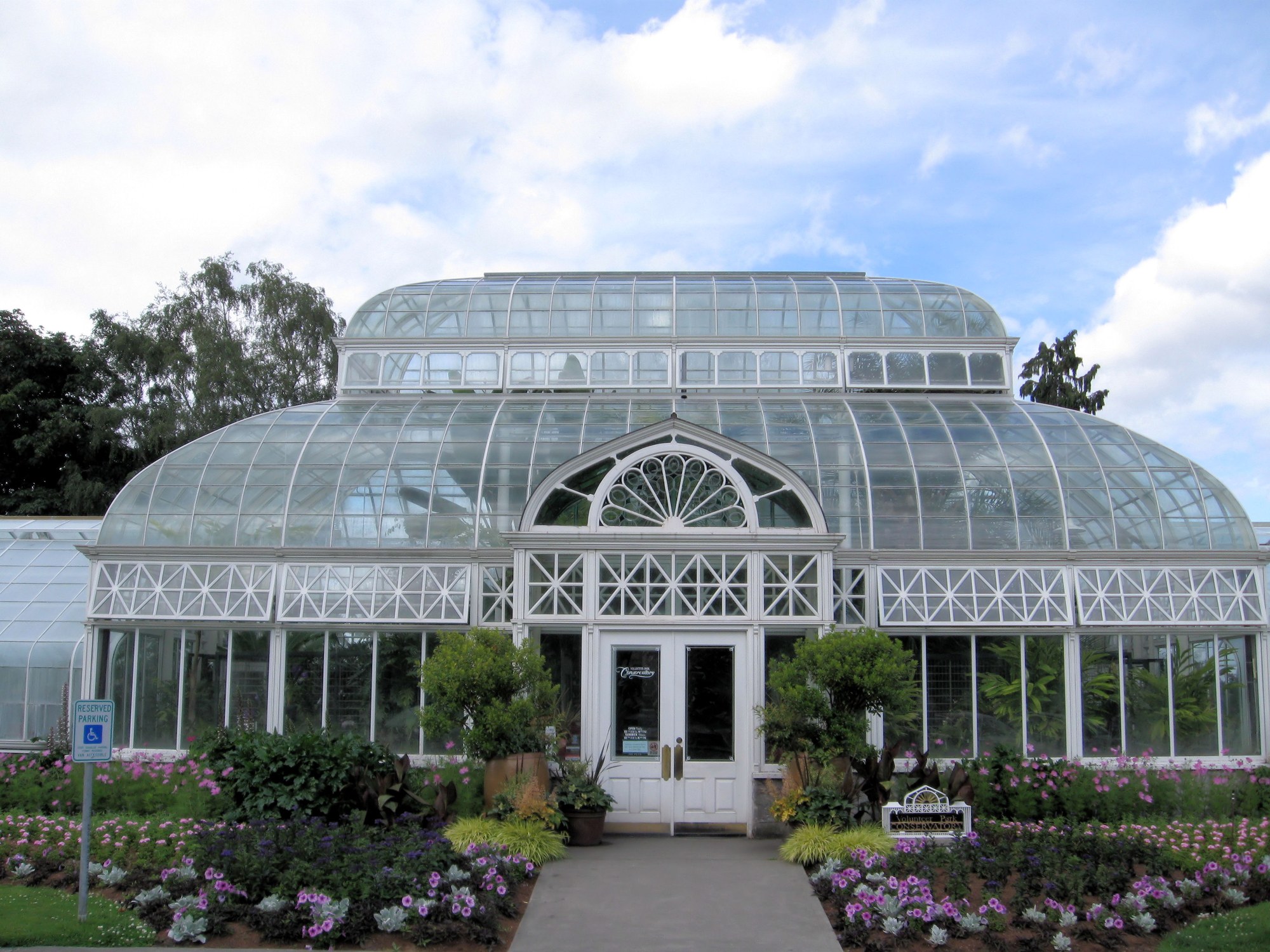
Glass conservatory and flower beds at Volunteer Park in Seattle’s Capitol Hill neighborhood
Volunteer Park · Capitol Hill
01

Capitol Hill: begin with the glass of Volunteer Park

The conservatory’s arched glass façade stands within the greenery of Volunteer Park. It gives Capitol Hill a graceful, unhurried landmark and shows why a neighborhood can hold more than one pace of life.

Park space, residential blocks and busier commercial streets may all fit into an afternoon here. Explore the part of the hill you would actually live in, and check the conservatory’s own information before planning an indoor visit. For moving day, turn from the park to the property: confirm its entrance, building instructions and the route that your belongings will use.

Plan the building, not the stereotype
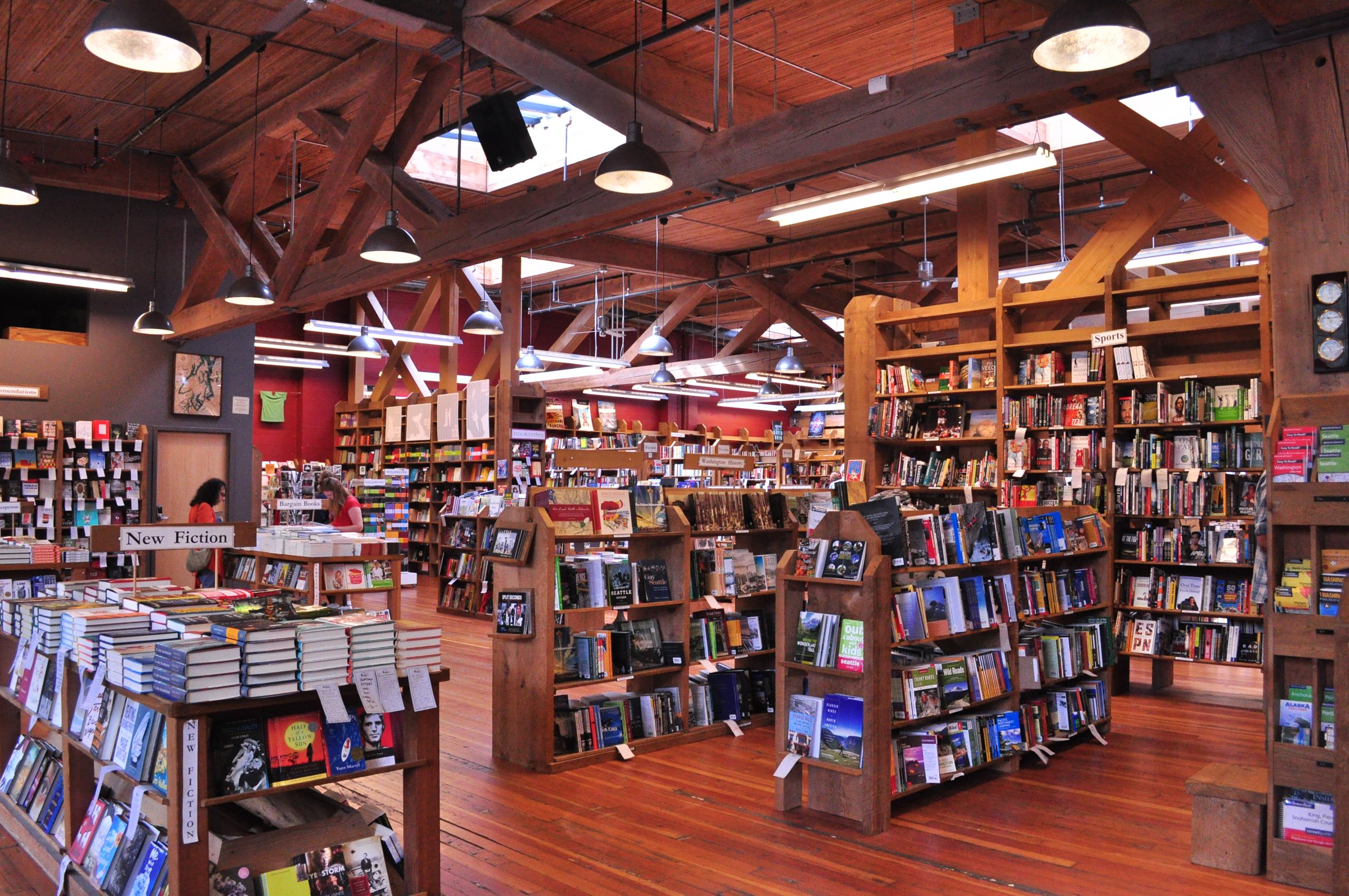
Wooden shelves, exposed beams and rows of books inside Elliott Bay Book Company in Seattle
Elliott Bay Book Company · Capitol Hill
02

Capitol Hill: shelves, timber and time to browse

Rows of books sit beneath exposed timber beams at Elliott Bay Book Company on 10th Avenue. The bookstore moved to this Capitol Hill site in 2010, and the photographed interior gives it a distinct sense of place: warm wood, long shelves and room to browse.

A local institution like this can make it easier to imagine the weekend after unpacking. Explore what lies around the places you would return to, not only the attractions on a first visit. If your own shelves are full, count those books separately and pack them in manageable loads.

Pack a book-filled home thoughtfully
Chapter 05

Ballard and Fremont, beside the canal

Two raised bridges make water and working infrastructure part of the neighborhood.

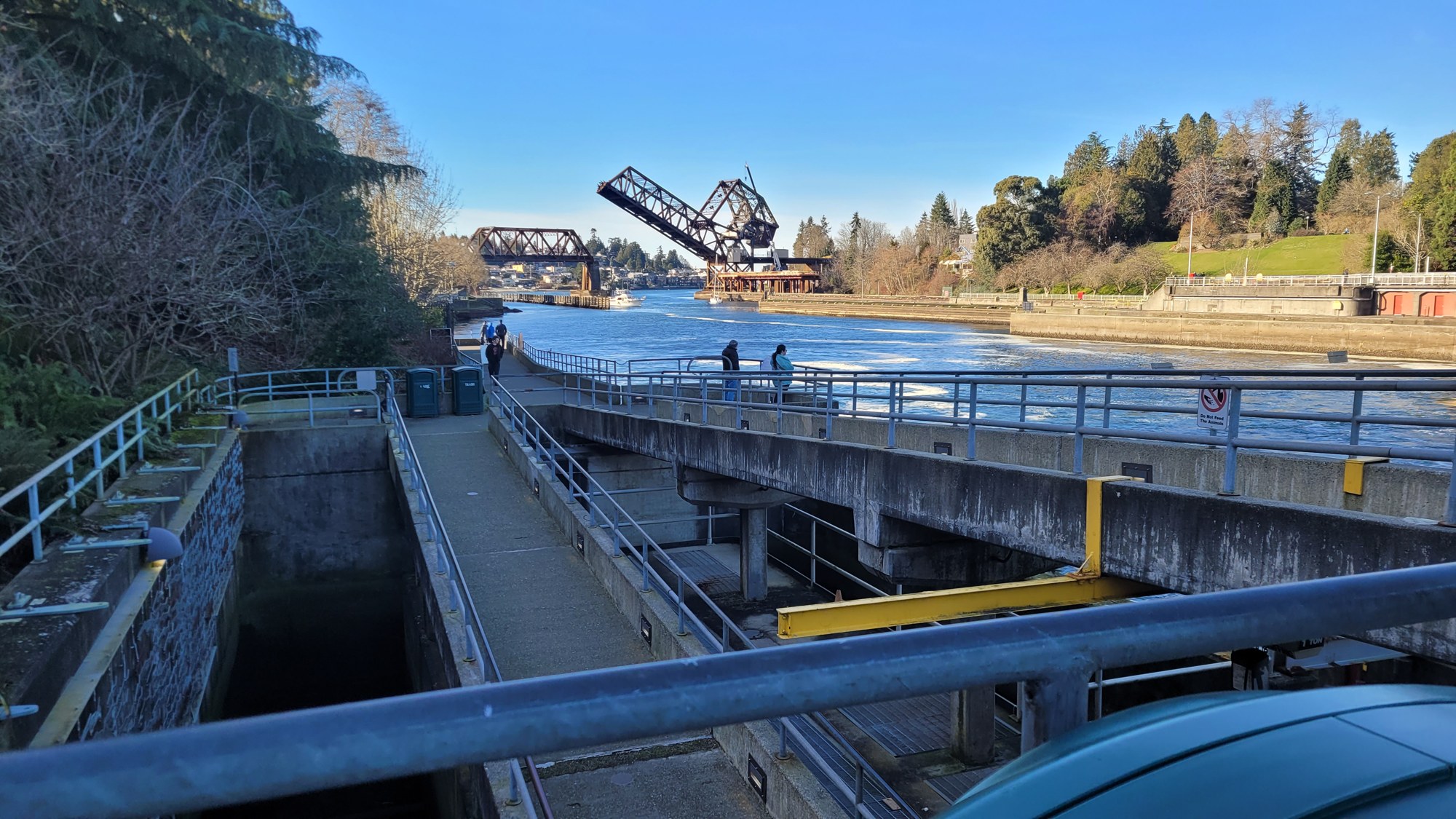
Raised Salmon Bay railway bridge viewed from the Ballard Locks in Seattle
Salmon Bay Bridge · Ballard Locks
01

Ballard: a bridge raised over the locks

The raised Salmon Bay Bridge stands beyond the Ballard Locks, where working infrastructure becomes something people stop to watch. The view brings rail, water and green banks together; it is a different introduction to Ballard from a single shopping street. Give yourself time to explore the waterway and the neighborhood around the home you are considering. The practical moving question comes later and is more specific: which road, which entrance and which confirmed window? Check the current route near the date and describe the actual property rather than predicting the day from a landmark.

Check routes before move morning
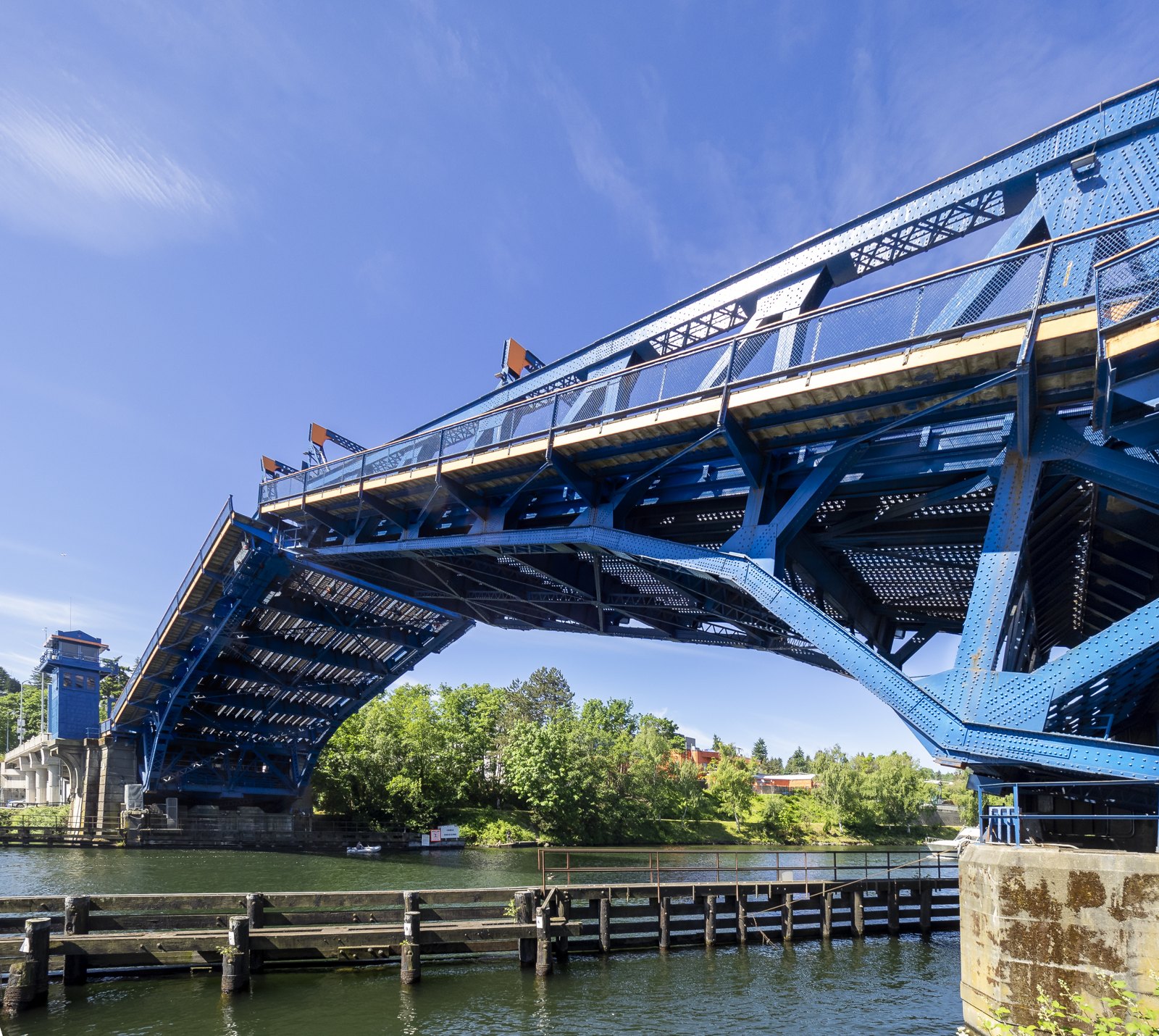
Blue steel spans of Seattle’s Fremont Bridge partly raised above the ship canal
Fremont Bridge
02

Fremont: a bridge that makes the canal visible

The Fremont Bridge is partly raised over the ship canal in this view from the Burke-Gilman Trail. The path at the water’s edge and the opening above it make the canal part of everyday neighborhood life.

Fremont can be explored as a set of connections—across the water, along it, and back into the streets where people live and work. Try the journeys that would form your week, including the times you need to make them. When moving day comes, check current conditions and coordinate both building windows instead of assuming a crossing will take a fixed amount of time.

Build a move-day route plan
Chapter 06

Wallingford and the University District

Industrial structures at the lake and a library facing a campus square.

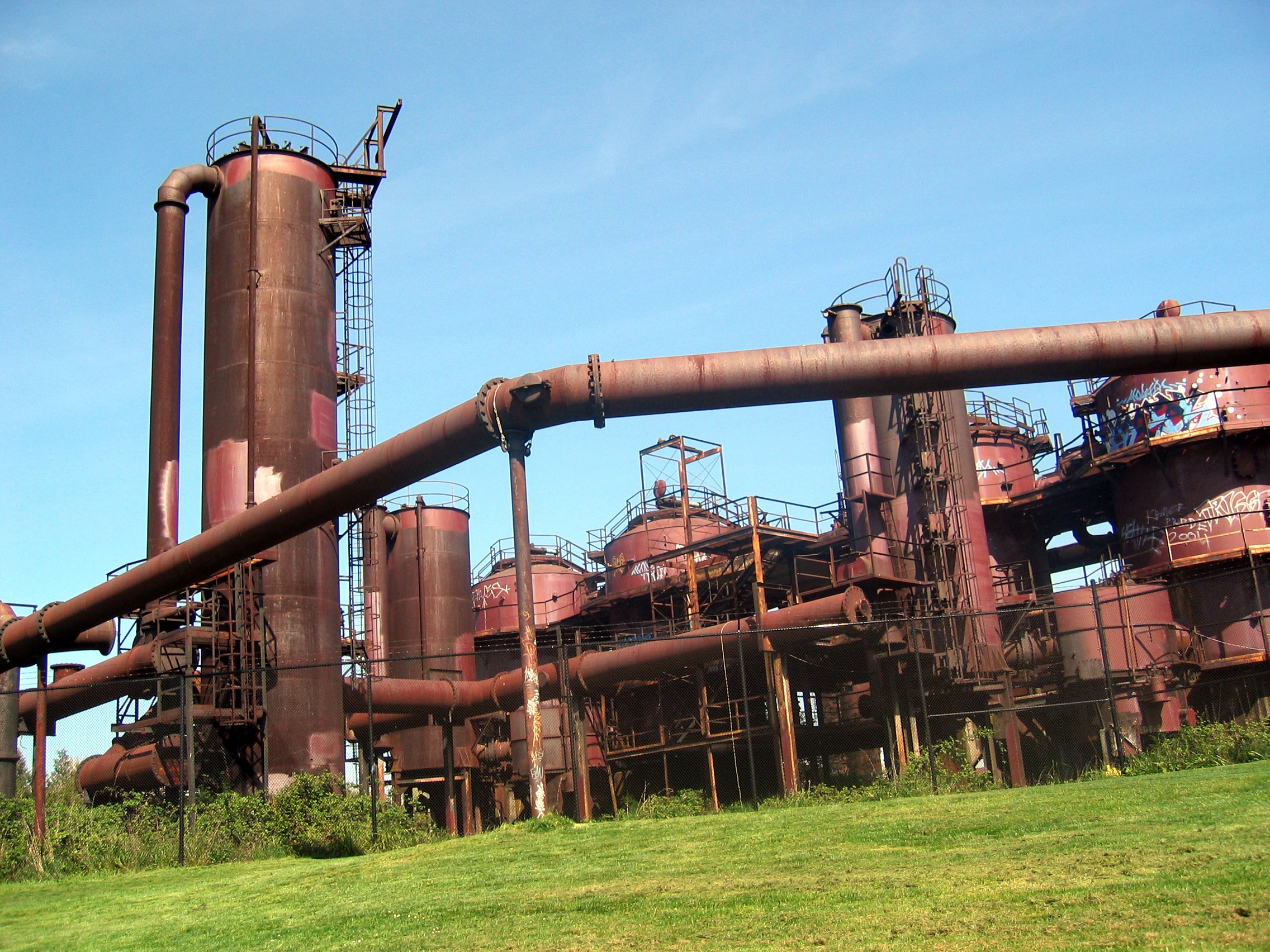
Rust-coloured pipes and towers of the former gasification plant above a green lawn at Gas Works Park
Gas Works Park · Wallingford
01

Wallingford: industrial shapes on a green shore

Rust-coloured pipes and towers remain above the lawn at Gas Works Park on Lake Union’s north shore. The old gasification plant gives Wallingford a landmark with texture: industrial structures, open grass and water share the same view.

It is a useful reminder that outdoor Seattle does not always begin beyond the city limits. Think about the places you would use for an ordinary break, and walk the connection from a prospective home. If that life includes bikes, sports equipment or bulky outdoor gear, make room for it in both the inventory and the destination plan.

Make the inventory fit your life
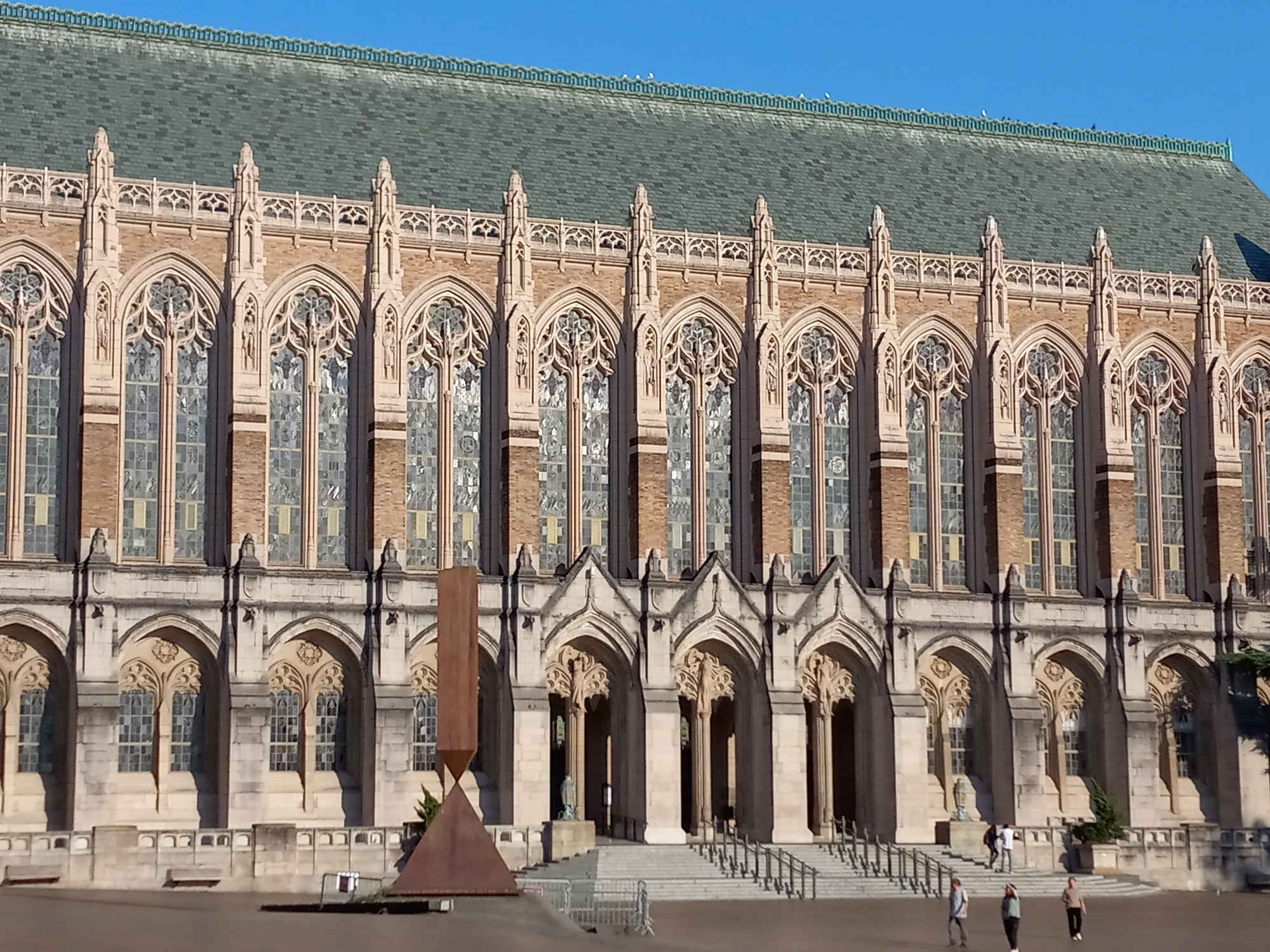
Gothic facade of Suzzallo Library across Red Square at the University of Washington in Seattle
Suzzallo Library · University District
02

University District: Suzzallo gives the campus a face

Suzzallo Library’s detailed stonework and tall windows face Red Square at the University of Washington. The building gives the University District a clear reason for arriving: study, work and a daily routine shaped by the campus.

Start with the place you need to reach, then walk outward toward the homes and streets you are considering. A student room, shared house and apartment can involve very different contents and arrival arrangements. If your move is tied to a course or job start, confirm the real move-in instructions and keep the first night’s essentials outside the shipment.

Organize a date-sensitive move
Chapter 07

West Seattle, Beacon Hill and Columbia City

Beach, tower and park: three unmistakably different points of orientation.

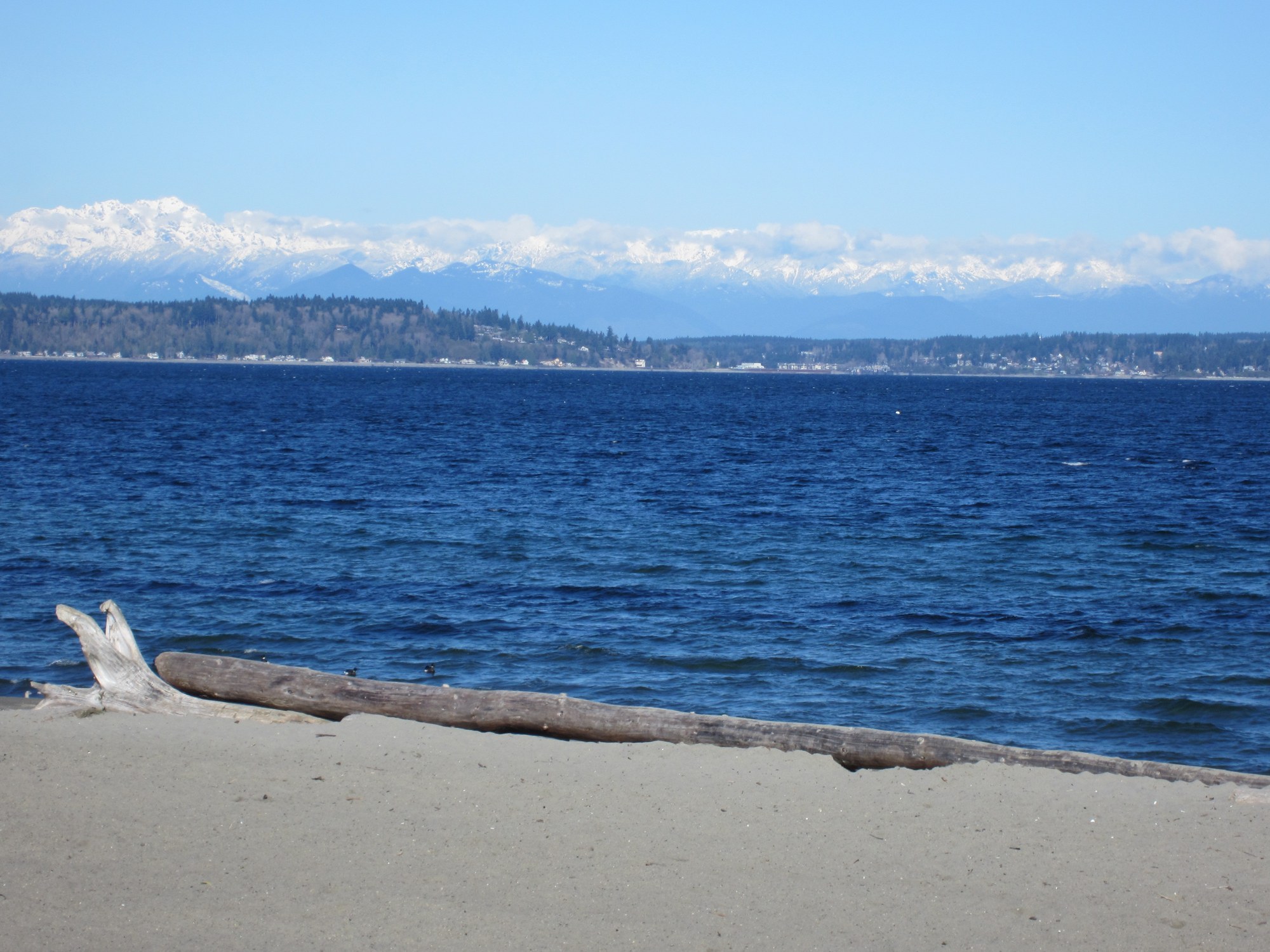
Driftwood on the sand at Alki Beach, with blue water and snow-covered mountains beyond
Alki Beach · West Seattle
01

West Seattle: Alki puts sand beside the neighborhood

Driftwood lies along Alki’s sand in this bright April view, with blue water and a mountain skyline beyond. Here, the idea of a neighborhood can include an ordinary walk that ends at the shore.

Look behind the view as well: the nearby streets, the home itself and the journey you would make to other parts of Seattle. West Seattle offers more than one scale of life, from this open beach to smaller residential approaches. Plan the move around your actual road route and the two properties’ access arrangements, while keeping the beach as a reason to enjoy the arrival.

Plan the arrival at both ends
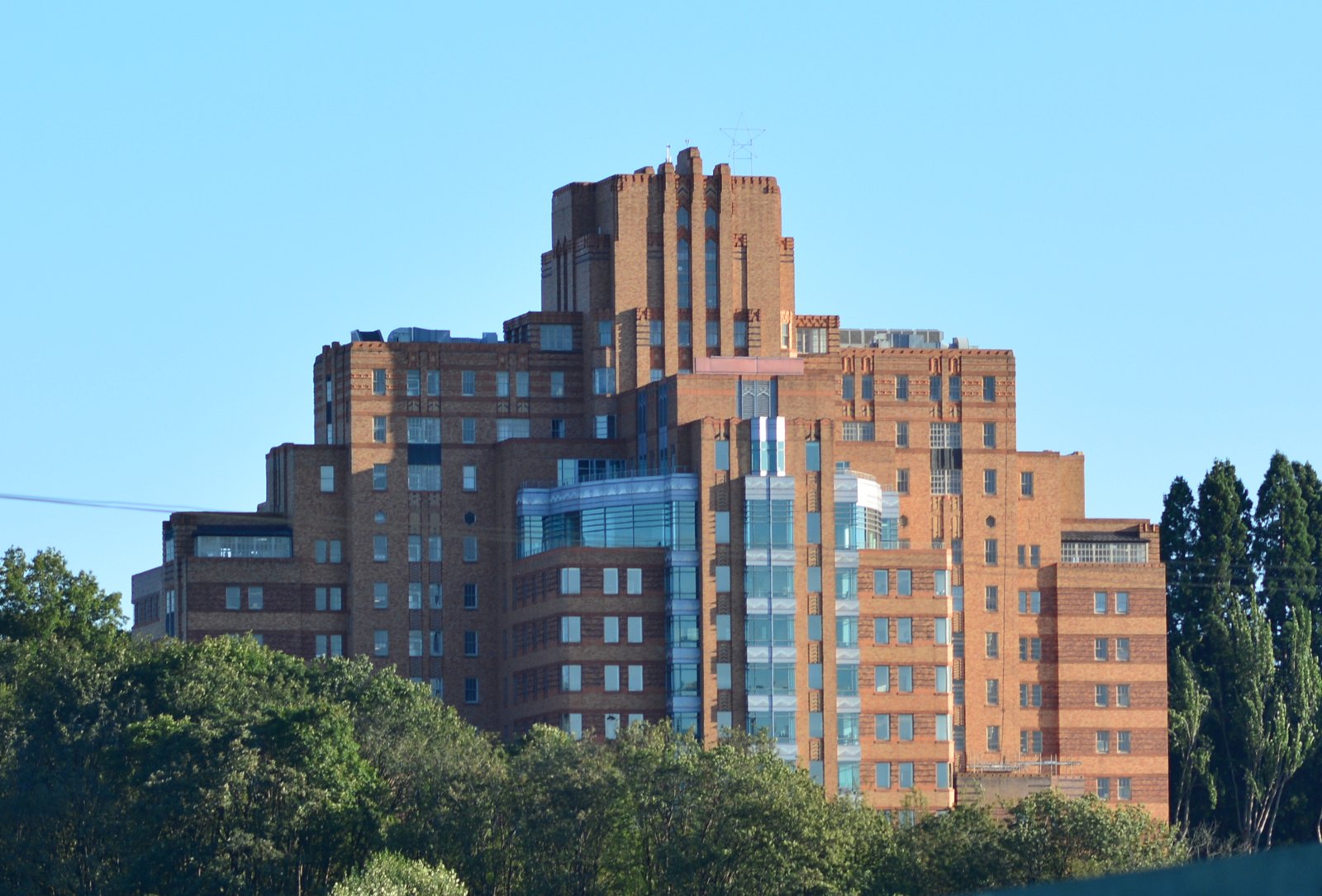
Brick Pacific Tower rising above trees on Seattle’s Beacon Hill
Pacific Tower · Beacon Hill
02

Beacon Hill: Pacific Tower above the trees

Pacific Tower rises above the greenery in this view from Seattle Buddhist Church. Its brick mass and stepped upper profile give Beacon Hill an architectural marker that can be recognized from beyond the immediate block.

Use it to get your bearings, then look more closely at the streets and homes around the address you are considering. Changes in level, local paths and the journey to work or study may shape everyday life more than a distant view. For the move, show the actual entrance, stairs and approach to the qualified provider assessing the work.

Describe the real access conditions
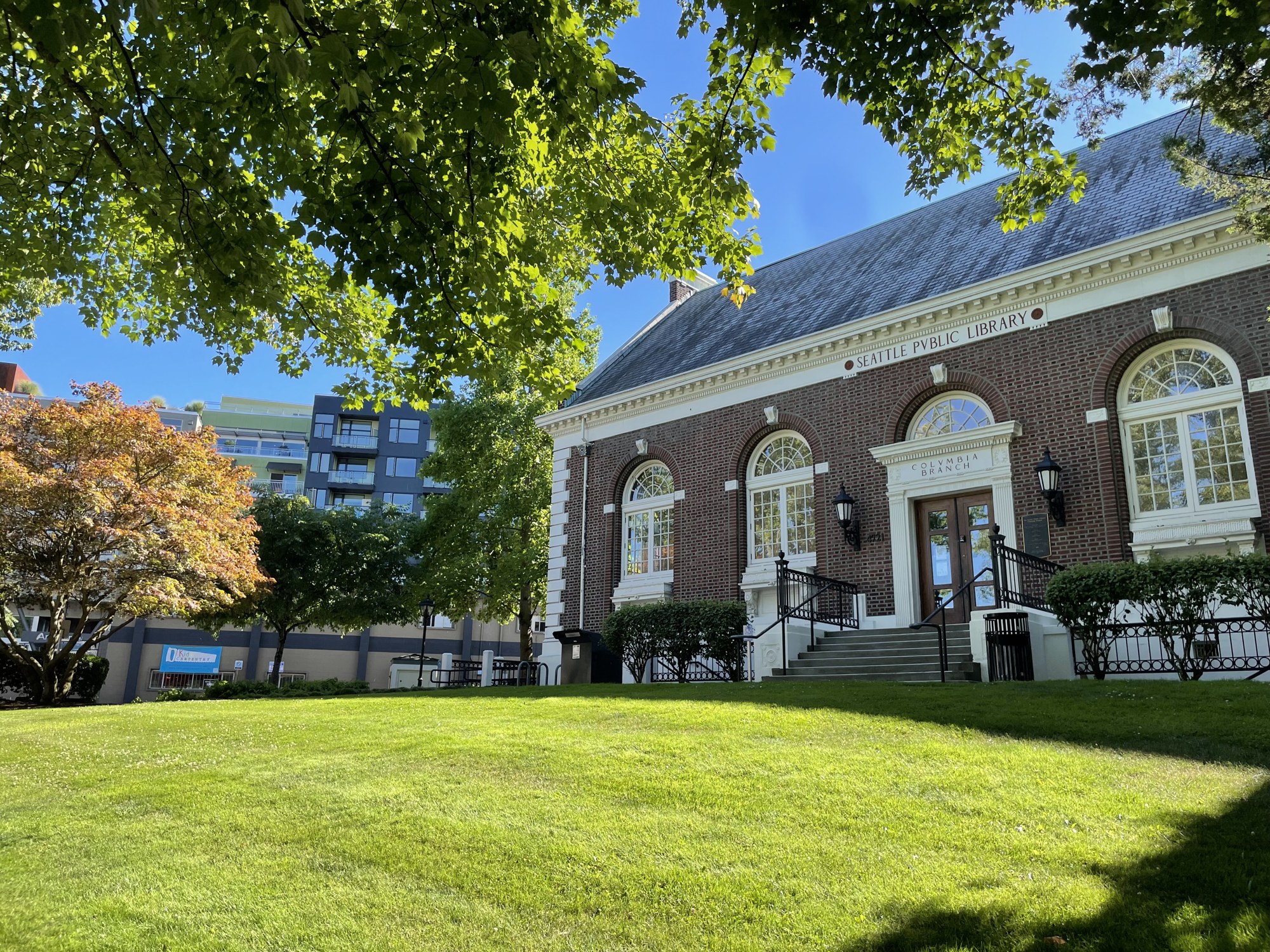
Brick Columbia Branch Library with named entrance, arched windows, steps and front lawn in Seattle
Columbia Branch Library · Seattle
03

Columbia City: a library at the park’s edge

The Columbia Branch Library’s brick facade, arched windows and named entrance stand clearly above the front lawn in this Seattle City Council photograph. Mature trees frame the building, bringing civic architecture and neighborhood green space into the same view.

Follow the surrounding streets and paths toward the places you would use for an ordinary day, and think about how a home would connect to them. There is no need to decide from a district name alone. Once you choose an address, turn that familiarity into a clear arrival plan with the property’s actual entrance, contacts and arrangements.

Plan for the particular property
Chapter 08

Green Lake and the north Seattle neighborhoods

A shoreline walk, two station settings and a neighborhood court.

Dock, calm lake water and wooded shoreline at Green Lake in Seattle
Green Lake Park
01

Green Lake: a place to build a daily circuit

A person sits at Green Lake’s edge while trees follow the opposite shore. The scene suggests a routine rather than an itinerary of attractions: a walk, a pause beside the water and familiar places around the lake. Before choosing a home, try the connection from its actual front door to the parts of the neighborhood you would use. Notice the crossings and entrances that make the route pleasant or inconvenient. Then record the separate route for the move, including how belongings reach the building from an appropriate vehicle position.

Check the route to the actual home
Roosevelt Station south entrance and station sign under a clear blue sky in Seattle
Roosevelt Station · Seattle
02

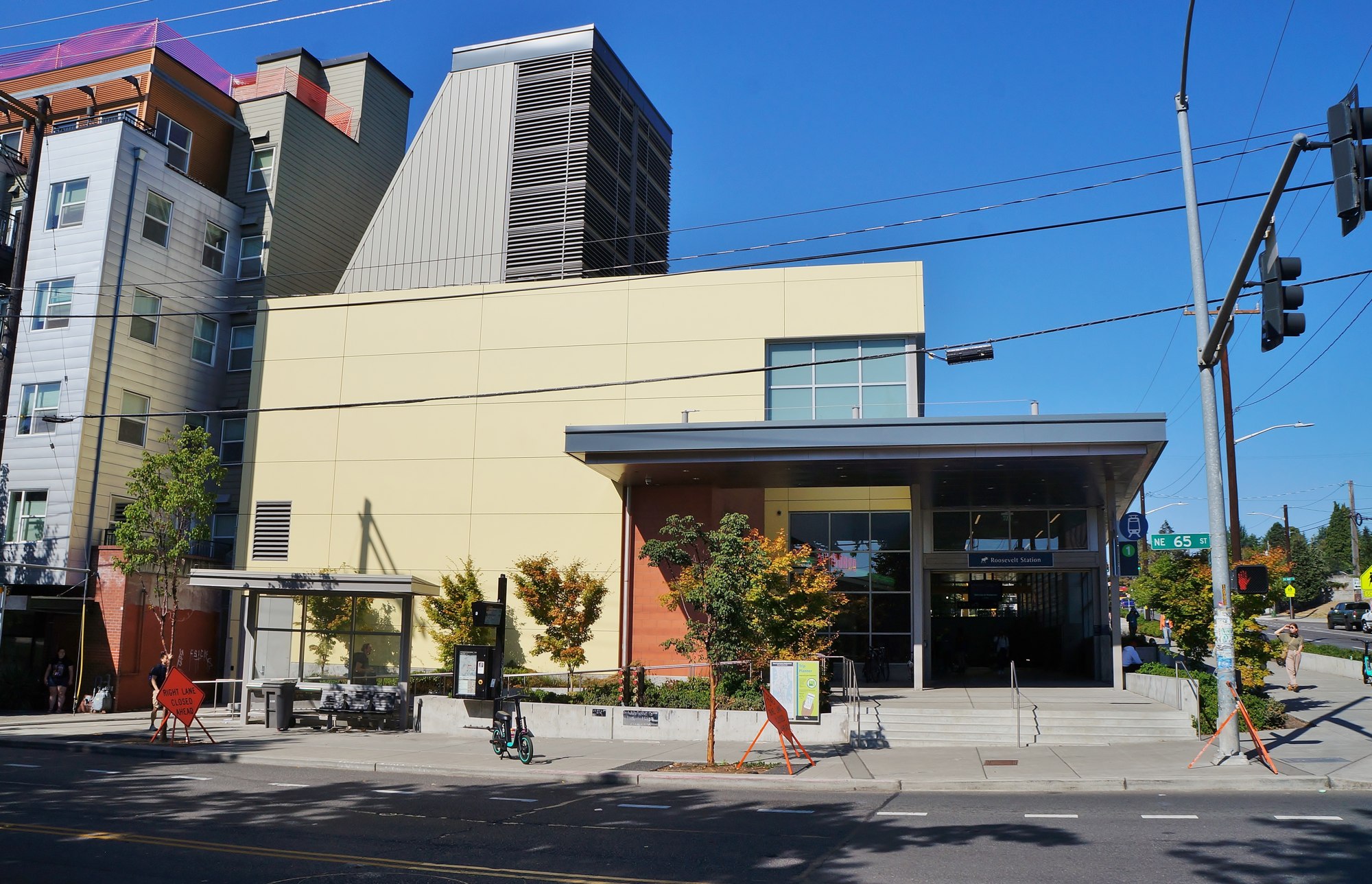
Roosevelt: a station makes the neighborhood legible

Roosevelt Station’s south entrance and sign are clearly visible against the blue sky. A named station gives a neighborhood visit a definite beginning; from there, walk toward the address you are considering and see how the surrounding streets fit together.

Try the route with the timing and weather that will be part of your ordinary week. A move linked to a new job or course needs that everyday plan as well as an arrival plan. Record the property’s own entrance and building instructions when you prepare the brief for a provider.

Collect the property details
Sweeping station roof, elevated platform and light rail train at Northgate Station in Seattle
Northgate Station
03

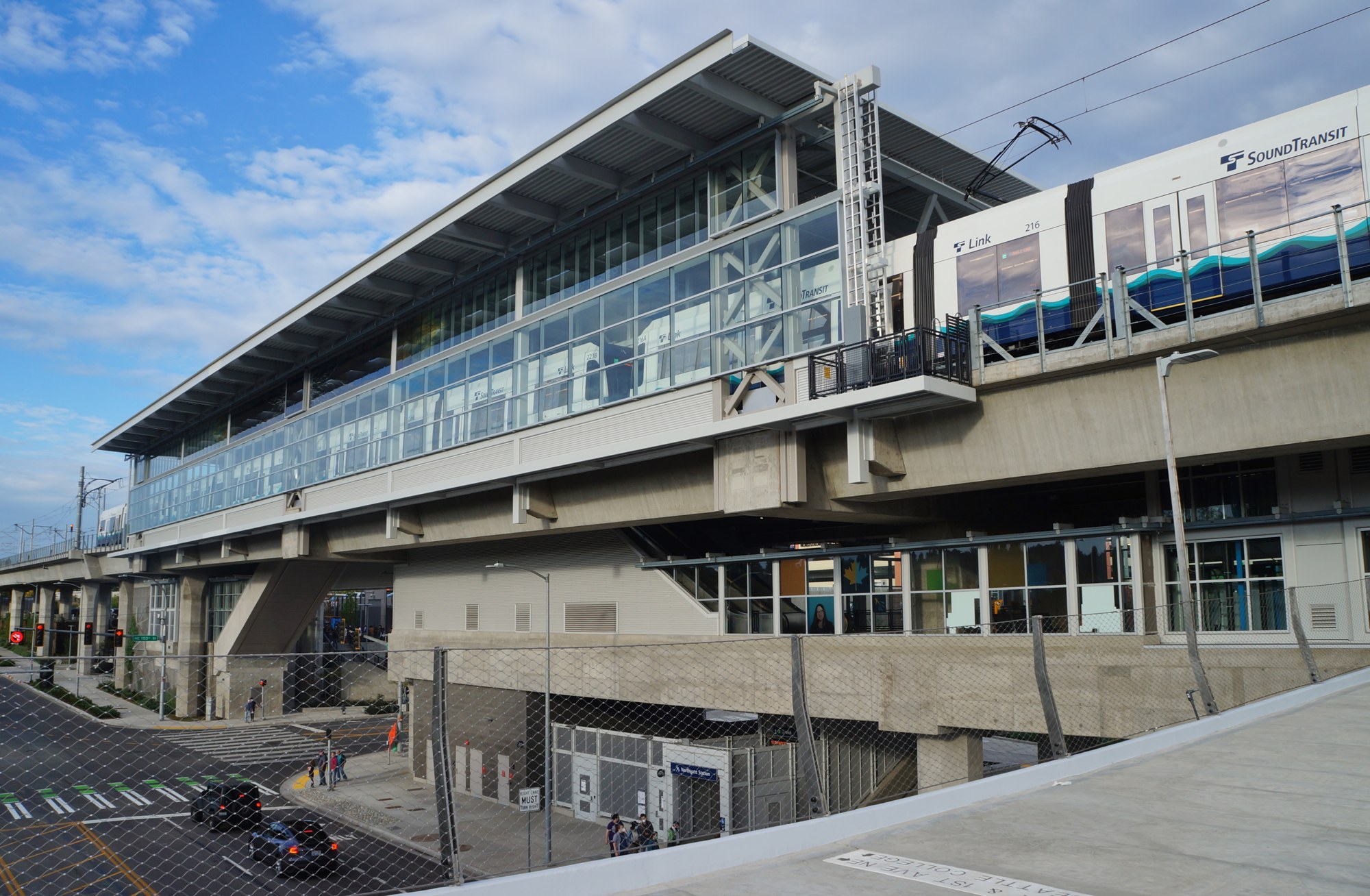
Northgate: see the station from the bridge

An elevated train sits beside Northgate Station in this opening-day view from the bridge. The station gives Northgate a distinct public landmark and a practical starting point for exploring the area.

Look beyond the map symbol and walk the last part of the journey to a possible home: that connection is the part you will repeat. For the move, make a second set of notes about the building approach, correct entrance and any appointment. Keep the everyday transport choice and the furniture route clear enough that each can be planned on its own terms.

Prepare the entrance and route
People playing basketball on the colourful outdoor court at Lake City Park in Seattle
Lake City Park · Seattle
04

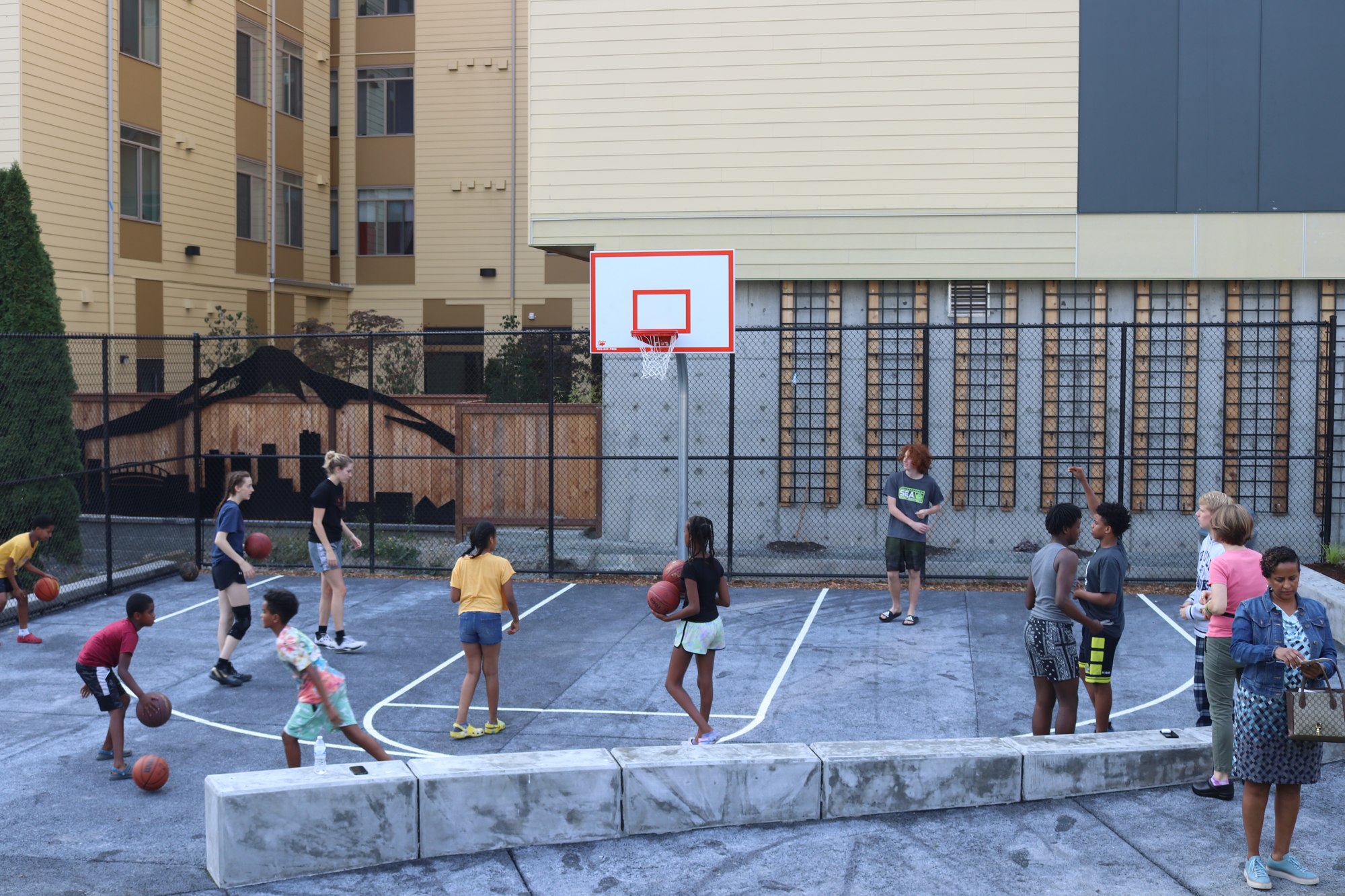
Lake City: a court made for a game

People play basketball on the colourful court identified as Lake City Park in the source photograph. The hoop, fence and nearby buildings bring the neighborhood down to a lived-in scale: a public place for an ordinary game, rather than another distant skyline.

Look for the spaces that would become part of your own week when you explore Lake City. Visit the particular street and home as well as the public amenities around it. For moving day, ask the property contact about the real entrance and loading arrangements, and pass those details to the provider.

Turn a neighborhood visit into useful notes
Your next step

Make a plan you can keep.

Organize the move type, timing and general locations without giving a name, email, phone number or street address. The anonymous itinerary stays in your browser.

Build My Move Itinerary