
Seattle · long distance moving guide

Leaving Seattle adds a second timeline

There is the departure from your home, and there is the shipment’s pickup, journey and delivery window. Plan for both without giving up control of the essentials.

Long-distance planning

The route, the shipment and the days between

Southbound traffic on Interstate 5 in Seattle viewed from NE 45th Street
Interstate 5 · Seattle
01

I-5 gives the route a visible starting point

I-5’s southbound traffic is visible from NE 45th Street in this Seattle photograph. For your move, establish the actual origin, destination and carrier rather than inferring the rules from the word “local.” A shipment that crosses a state boundary may fall under federal interstate requirements. Confirm the classification with the appropriate official guidance and provider. Then describe the local departure as carefully as the long journey: the entrance, loading arrangements, keys and building window still matter.

Start with federal moving guidance

Open cardboard moving boxes with printed contents fields standing in a household room
Packing sequence · object study
02

Give the shipment a usable inventory

Cartons with spaces for contents stand open in this room. A long-distance inventory needs that same clarity before the goods become inaccessible: list what is moving, identify special items and keep condition records where appropriate. Compare written estimates that describe the same inventory and services. Retain your copy outside the shipment so it is available when questions arise during pickup or delivery. Ask how inventory changes and additional services are documented before the move proceeds.

Prepare the inventory and scope
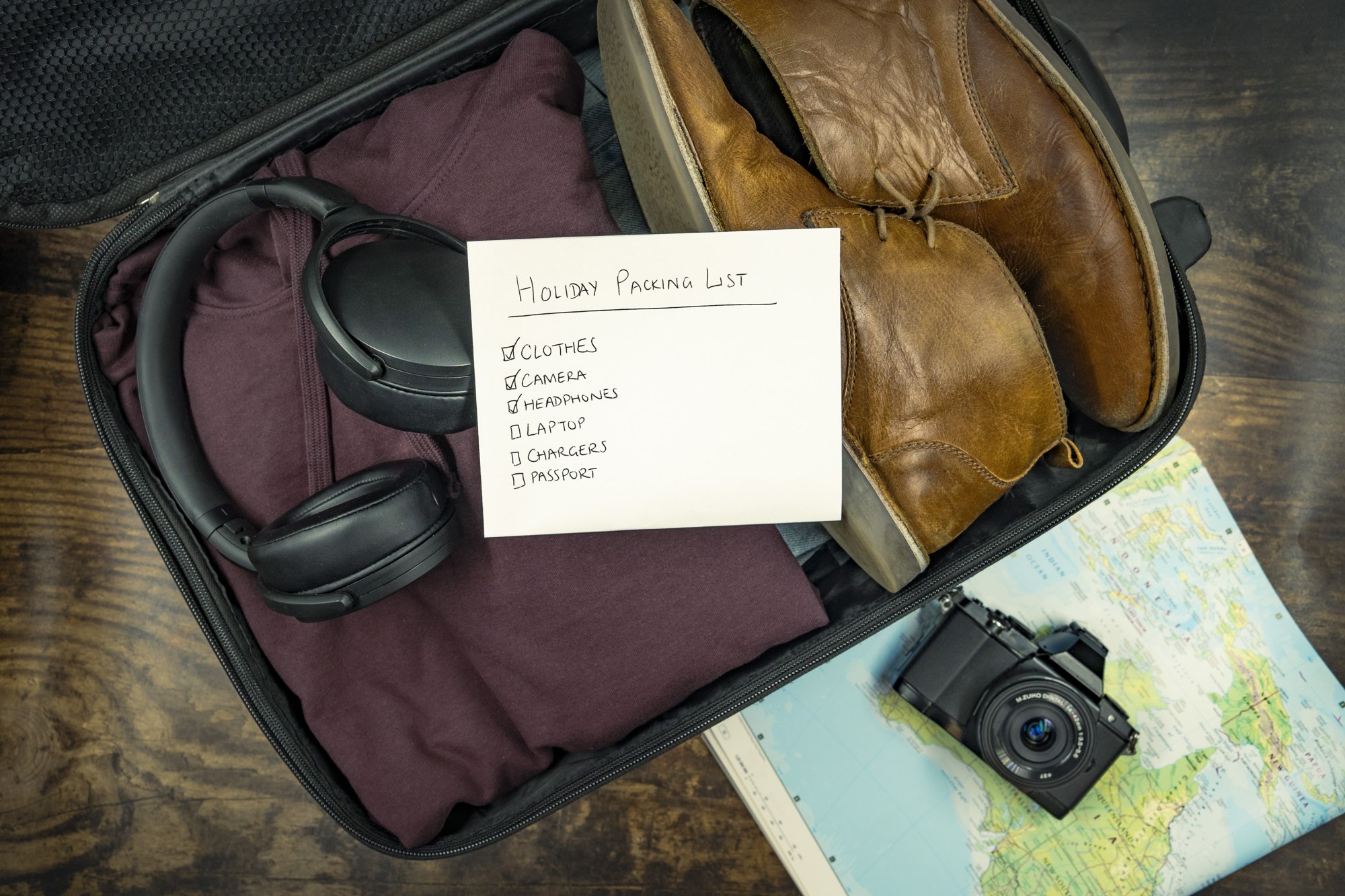
Open travel bag holding folded clothing, boots and travel equipment beside a packing list
Packed travel bag · object study
03

Pack for the time when the shipment is elsewhere

Clothing and small travel equipment are together in an open carry-along bag. For a long-distance move, choose a kit that covers the actual journey and delivery window, not just a single night. Keep medication, identification, keys, necessary devices and important documents accessible and secure. Plan for the needs of children, pets or work where relevant. A separate kit is useful only if everyone knows it stays out of the general load.

Build the separate essentials kit
04

Know who performs each part of the move

Ask whether you are dealing with the carrier that performs transportation or a broker that arranges it, and verify the relevant registration through official sources. Identify responsibility for pickup, any transfer, storage and delivery. Read the documents describing dates, windows, communication and possible additional operations. The site does not arrange transportation or represent a moving provider; you must make those checks with the actual businesses and appropriate regulator.

Read federal consumer rights
05

Keep the documents where you can use them

Retain the estimate, inventory, relevant rights material and contact details outside the shipment. Ask how binding or non-binding terms, valuation and claims apply to your route and documents. Read the applicable guidance before signing, and ask for clarification when the scope changes. An interstate delivery window is not a reservation for your destination elevator or curb, so arrange the local arrival separately and keep an alternative plan if the keys or access are delayed.

Keep destination arrangements separate
Your next step

Make a plan you can keep.

Organize the move type, timing and general locations without giving a name, email, phone number or street address. The anonymous itinerary stays in your browser.

Build My Move Itinerary