Seattle · reusable moving bins

Choose the container after you look at the contents

Reusable bins, ordinary cartons and specialist packing solve different problems. Begin with the shape and weight of the objects, then work out how the containers will be carried and returned.

Cardboard and reusable containers

Four physical differences worth seeing

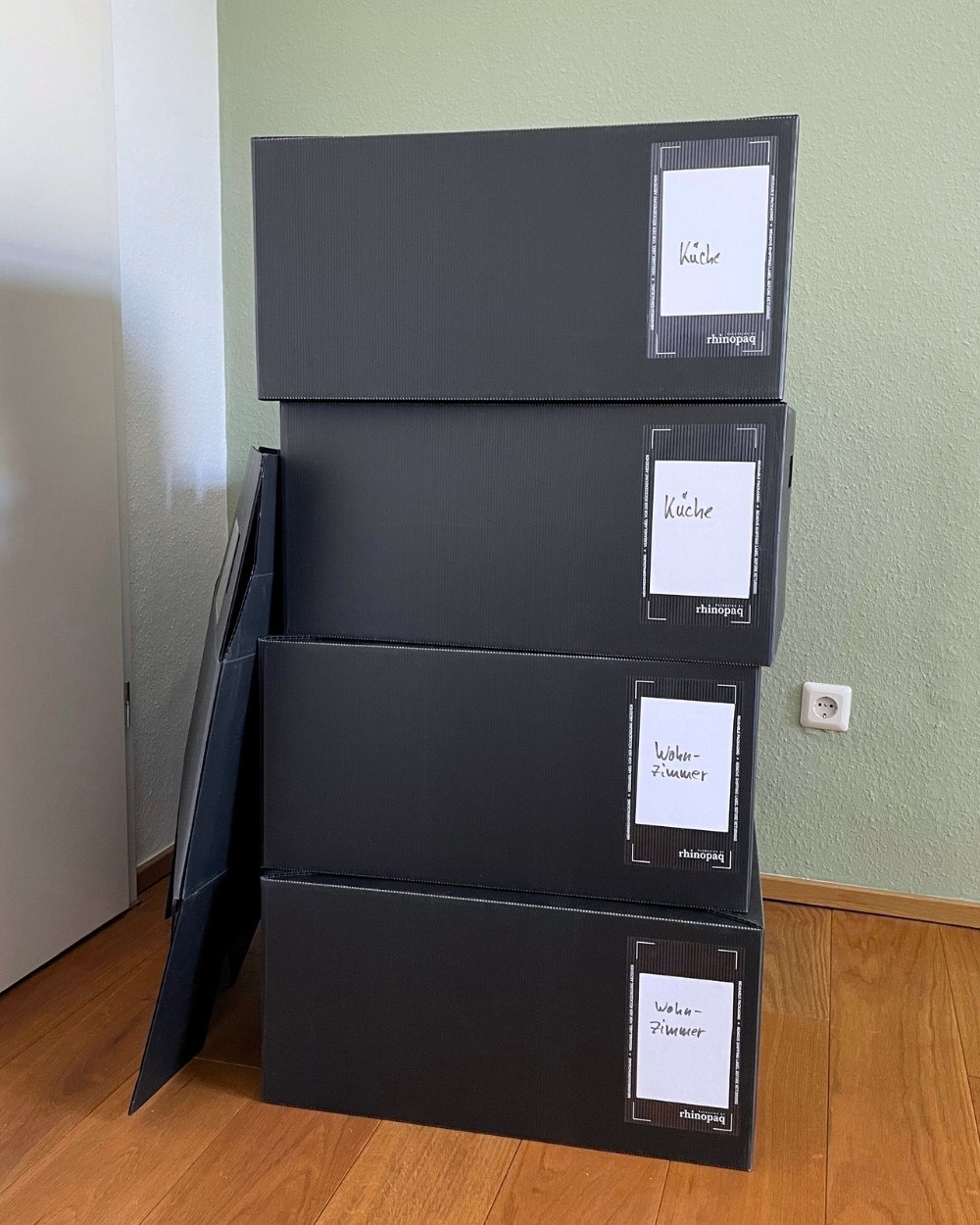
Stacked dark reusable plastic moving boxes on a wooden floor with handwritten room labels
Reusable moving boxes · object study
01

Stacked boxes with the room still written on them

Room labels remain visible on the dark reusable plastic moving boxes in this photograph. Repeated shapes can make an inventory easier to organise, especially when several rooms contain similar small items. The useful question is whether the system fits your contents and your arrival. Check how much each box can hold safely, whether the lid closes without pressure and how the destination will be identified. Keep first-use items separate so a neat stack does not become a wall of containers you have to search.

Make the labels useful
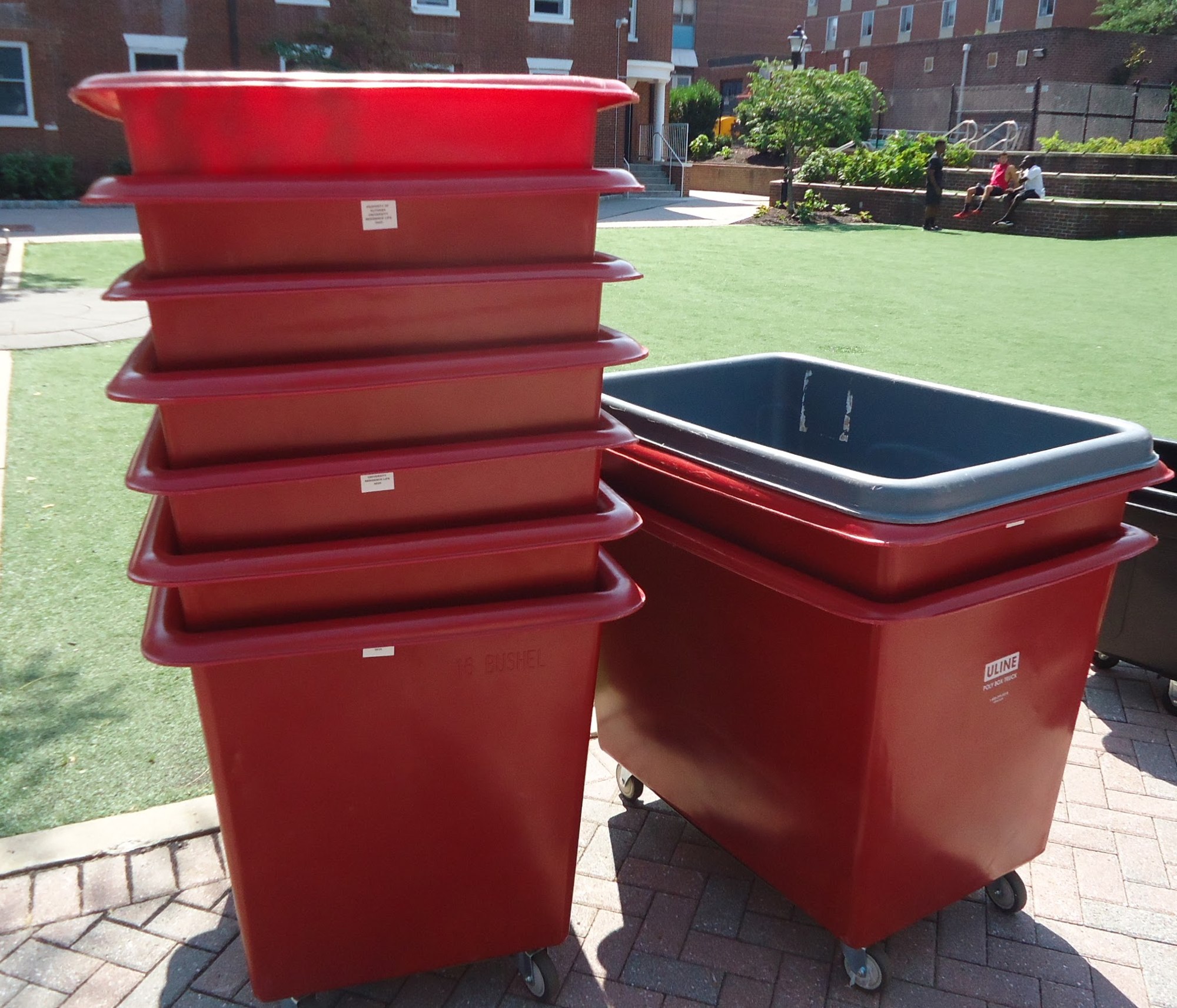
Large red reusable moving carts standing together outdoors at Rutgers University
Moving carts · equipment study
02

A wheeled cart has a footprint of its own

Large red moving carts stand together outdoors in this equipment photograph from Rutgers University. Their scale makes an important distinction visible: a wheeled cart is not simply a hand-carried box with a different colour.

Check the full external dimensions, turning space and load limit of equipment proposed for your move. Confirm whether it can reach the correct entrance and elevator, and who is permitted to use it. Do not infer that the equipment shown is supplied by a Seattle rental company; use the image to ask better questions about the actual product.

Check the building route
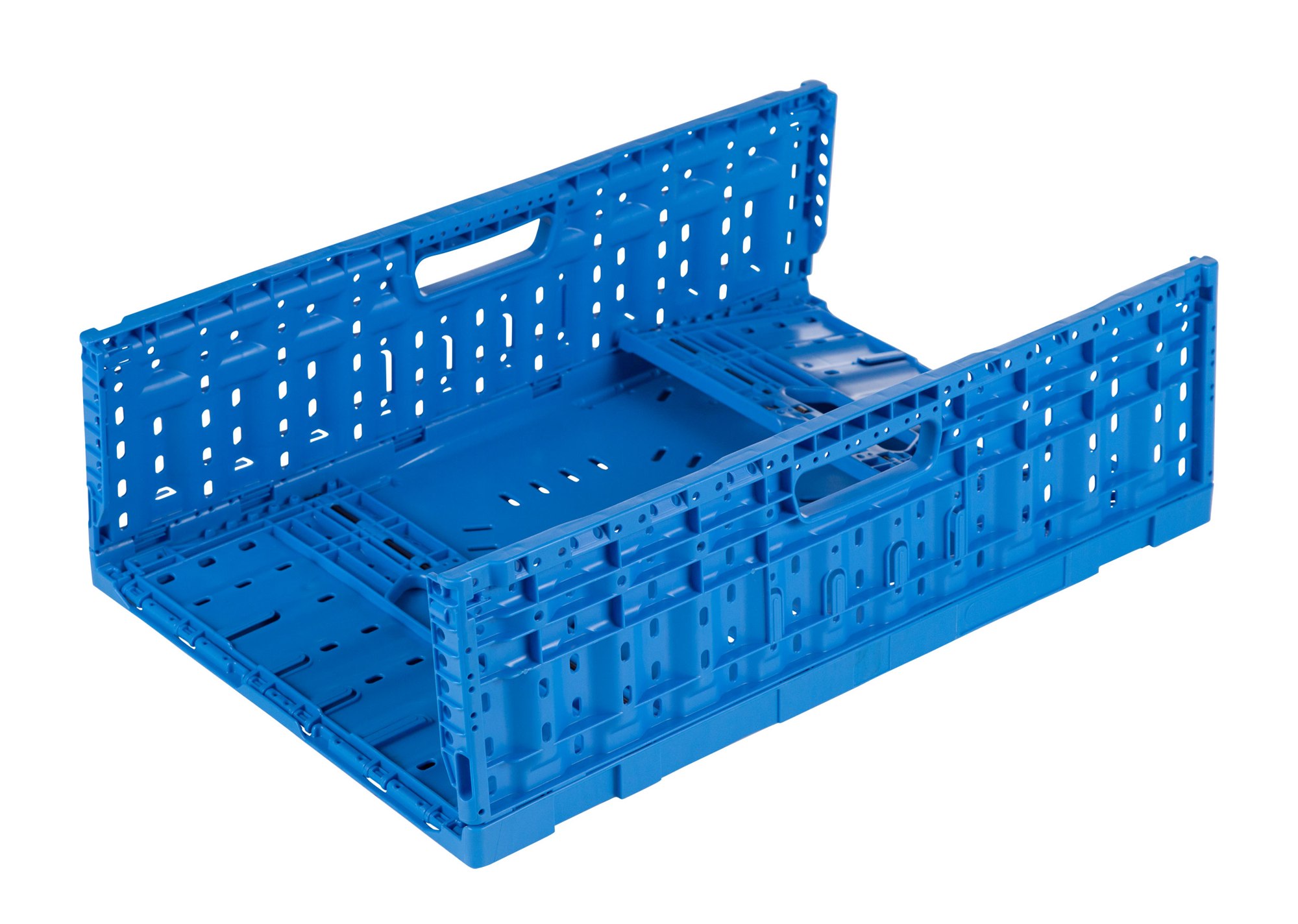
Blue reusable plastic container shown with two sides folded down
Folding container · object study
03

Some containers fold after they are emptied

Two sides of this blue plastic container are folded down, exposing how the product reduces its shape after use. That physical feature can matter when empty containers have to wait for collection or travel back with you. Ask the rental provider whether its own bins fold, nest or remain full size, and follow its instructions rather than forcing hinges or stacking parts the wrong way. Keep lids and bases counted together. The collection date and any extension charges belong in the decision before the first bin arrives.

Add the return to your checklist
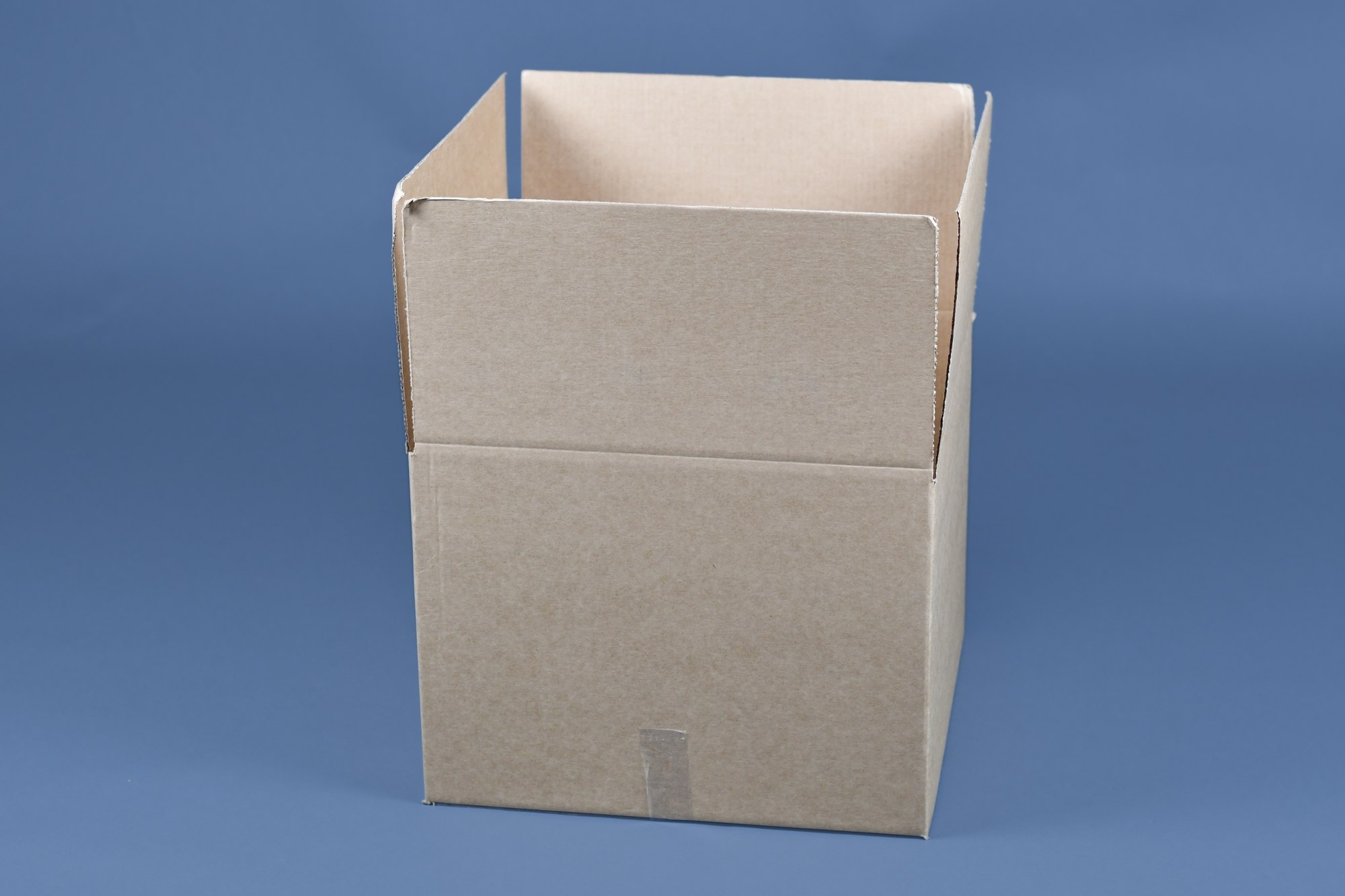
Empty open cardboard moving box photographed against a grey background
Open moving carton · object study
04

An ordinary carton can solve an awkward-size problem

The flaps of this open cardboard moving carton leave a clear view of the usable opening. Cardboard offers a different kind of flexibility from a set of identical reusable bins: you can choose sizes for particular contents and use specialist cartons where needed.

Check the condition of reused boxes and keep heavy contents in manageable loads. A lamp, framed picture or irregular item may need a different packing plan altogether. Compare the real contents with the provider’s recommendations rather than choosing a system only because the empty containers look orderly.

Plan the contents before the container
Your next step

Make a plan you can keep.

Organize the move type, timing and general locations without giving a name, email, phone number or street address. The anonymous itinerary stays in your browser.

Build My Move Itinerary