Seattle · fitness home gym moving

A home gym begins with the machine, not the muscle

Name the equipment, identify the parts and show the complete route. A useful plan respects the manufacturer’s instructions and the qualified provider’s assessment.

Home-gym planning

Four things the equipment can tell you

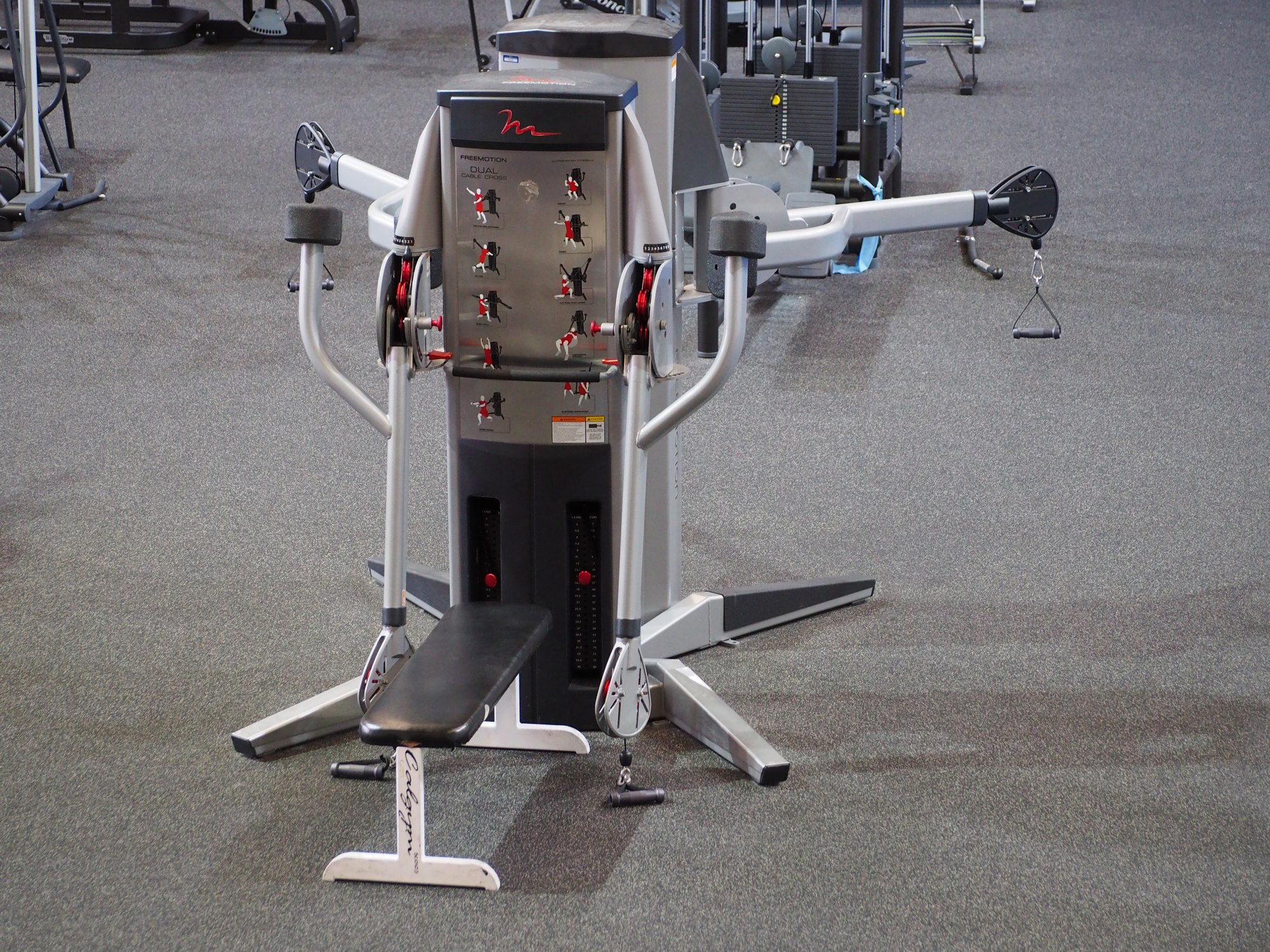
Dual cable functional training machine with pulleys and exercise instruction panels in a gym
Cable trainer · equipment study
01

Cables and pulleys deserve an exact model name

Cables, pulleys and an instruction panel are visible on this functional training machine. Those details make “gym equipment” too broad a description for an estimate. Record the manufacturer, model, dimensions and available instructions for each machine. Ask who will disconnect, partly disassemble and reassemble it, and which checks must happen before it is used again. Electrical, tensioned and aligned components should not be improvised from a photograph. Keep the work within the manufacturer’s instructions and the scope of an appropriately qualified provider.

List the actual equipment
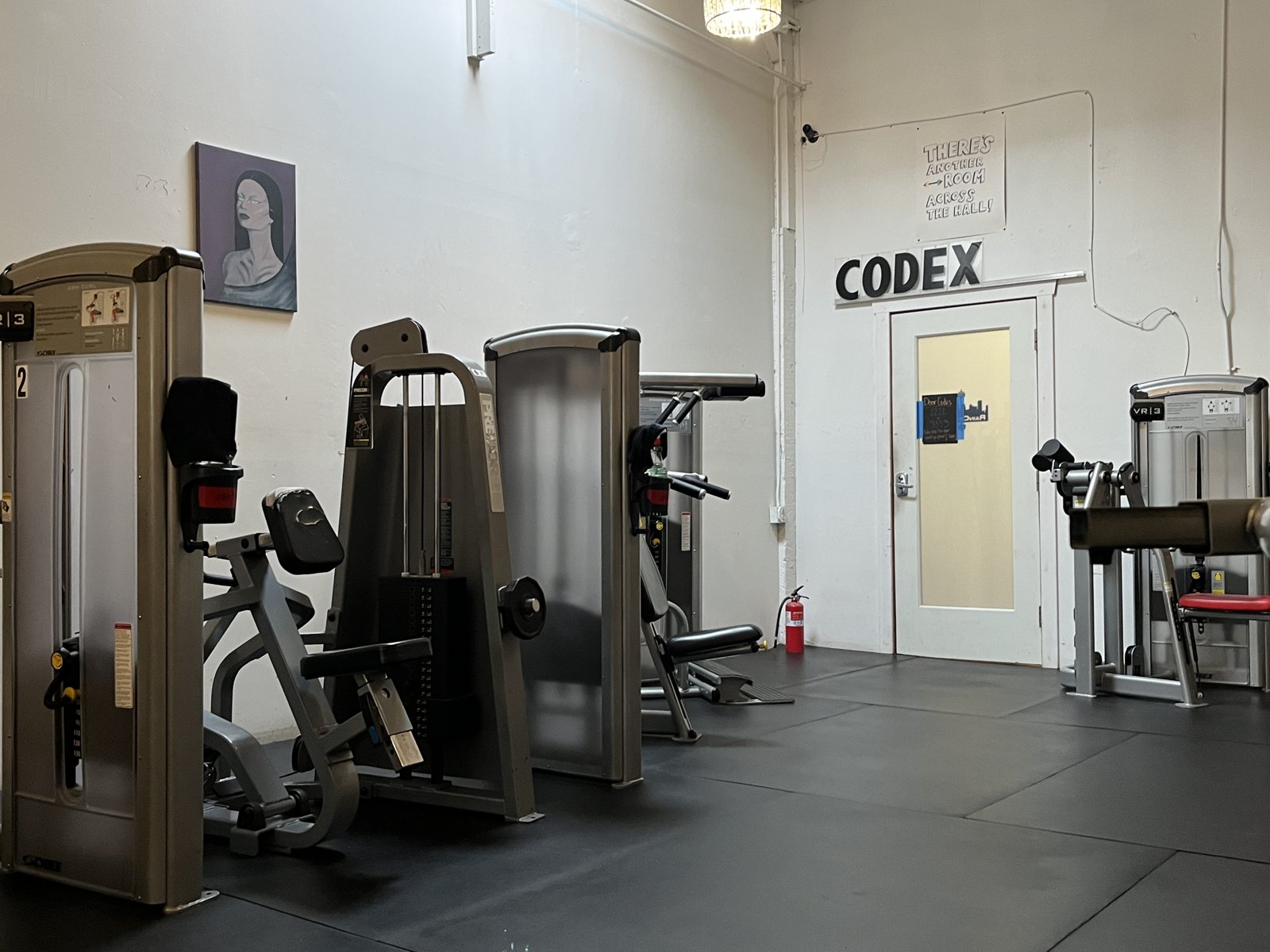
Exercise equipment inside Rain City Fit in Seattle
Rain City Fit · Seattle
02

A gym room is more than its largest machine

Training equipment occupies the Rain City Fit interior in this Seattle photograph. It is a reminder to look beyond the single piece that first catches your attention. Plates, benches, smaller equipment, floor coverings and accessories can all affect the inventory and the space needed at destination. Count dense items separately and ask how they should be prepared. Do not use the appearance of a commercial gym to infer what a home floor can support. Check any relevant building or installation requirements with the responsible people.

Build a complete room inventory
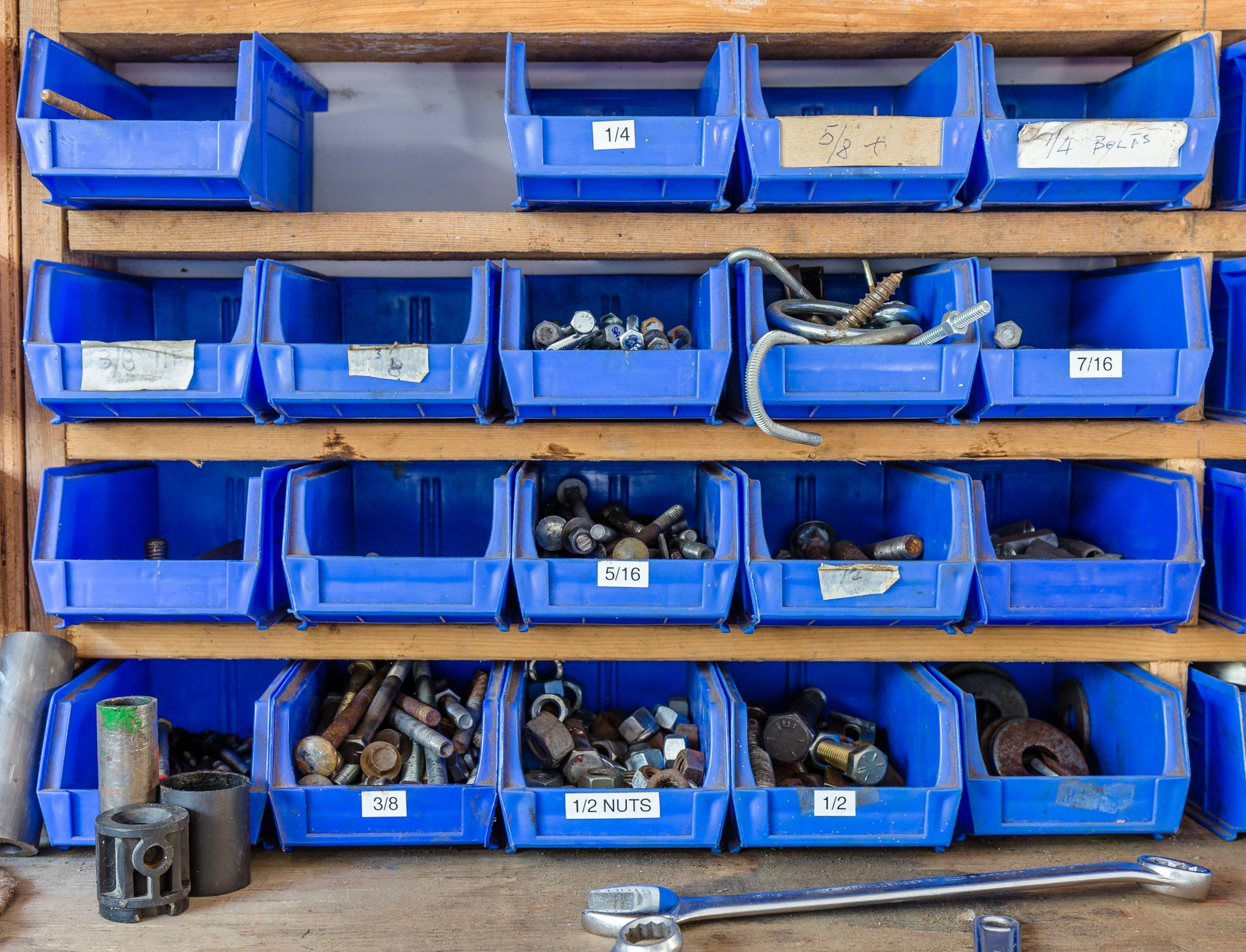
Blue storage bins labelled by bolt and screw size, containing sorted metal fasteners
Labelled hardware · object study
03

Labels keep fasteners from becoming anonymous

Blue bins separate fasteners by type and size in this hardware photograph. For equipment that is taken apart by a qualified person, an item-specific labelling system can protect the connection between the machine, its fittings and its instructions. Agree who labels and retains cables, fasteners and covers before disassembly starts. Keep those parts out of ordinary mixed cartons. Reassembly and testing are separate questions to settle with the provider, especially when a manufacturer requires specialist service or calibration.

Plan the small-parts system
04

Give the provider the actual route

Collect the stairs, landings, doors and narrow points at your own addresses rather than borrowing a route from an unrelated building. Ask the qualified provider which measurements and photographs it needs for the equipment. Confirm who protects floors and shared surfaces and how the agreed route stays clear. The appropriate method must come from the actual machine, manufacturer instructions and real access conditions.

Collect the actual route details
Your next step

Make a plan you can keep.

Organize the move type, timing and general locations without giving a name, email, phone number or street address. The anonymous itinerary stays in your browser.

Build My Move Itinerary