Seattle · furniture disassembly reassembly

Furniture has to leave the room before it can fill the next one

A sofa, a wardrobe and a bag of fittings ask different questions. Make those questions part of the scope before the day is measured by the moving clock.

Furniture, in detail

From the furnished room to the pieces that make it work

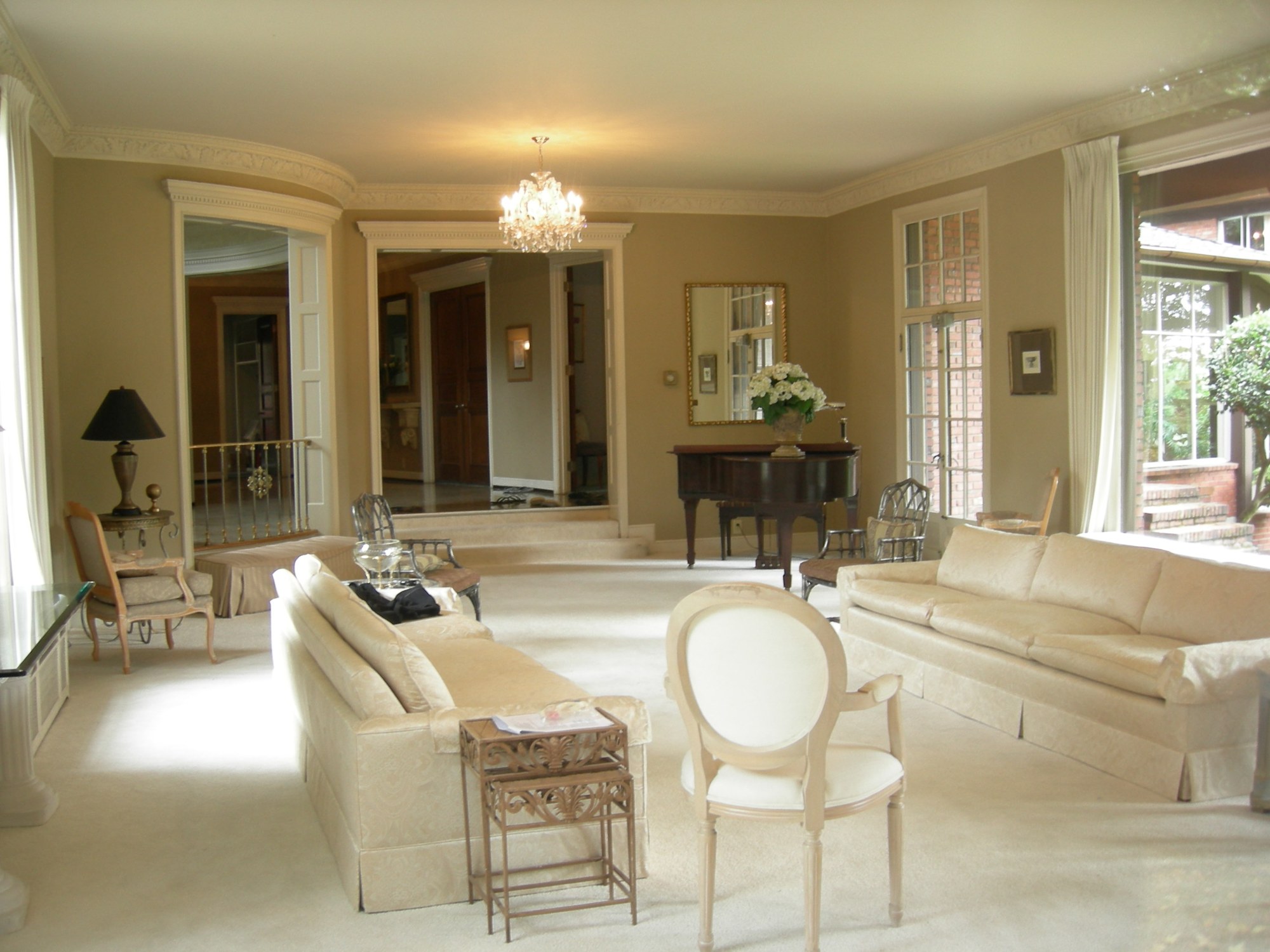
Light-filled living room with sofas, chairs, mirrors and a piano at the Sigma Kappa Mu Chapter House in Seattle
Living room · University District
01

A furnished room is several separate decisions

Sofas, chairs and tables occupy the Sigma Kappa Mu Chapter House living room in this Seattle photograph. Looking at an actual furnished space is a useful way to build an inventory: large pieces, smaller furniture and the objects around them all need a decision. Identify what is moving, what stays and what may need specialist attention. Ask the provider which items it expects to move whole and which it proposes to disassemble. Do not assume that every joint can safely be taken apart simply because it was assembled once.

Prepare an item-based brief
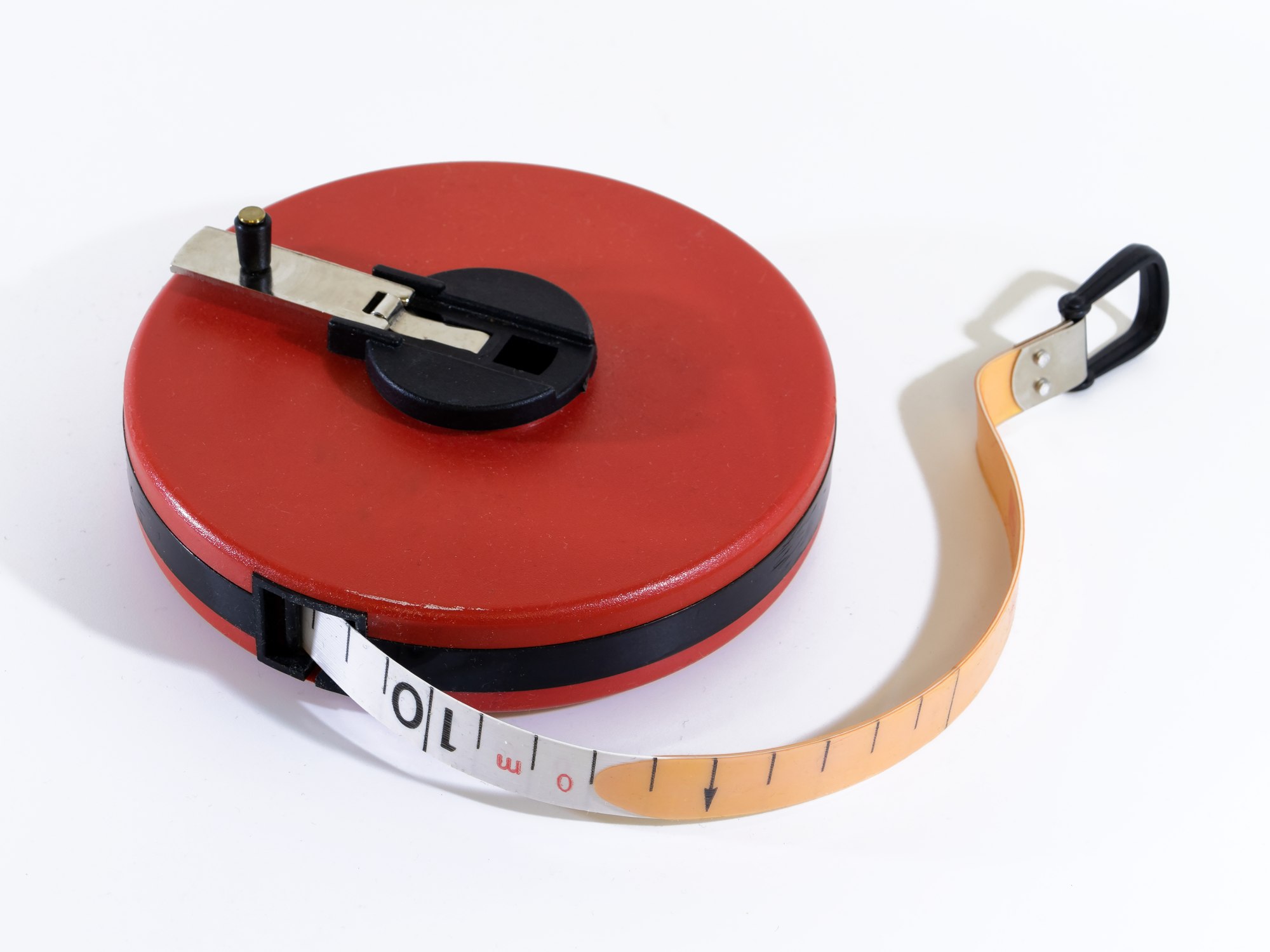
Red circular retractable measuring tape with an extended marked tape and metal end loop
Measuring tape · object study
02

A measuring tool belongs in the plan before a wrench

A marked tape extends from this red retractable reel. Before agreeing on disassembly, record the dimensions of the relevant furniture and the narrowest parts of the real route. Doors, corridors, stairs and elevator interiors can matter as much as the room itself. Send the information a qualified provider requests and let it assess the method. A measurement is more useful than a reassuring guess, but it is not a substitute for the provider’s judgment about handling, protection or safe equipment.

Walk the entire route
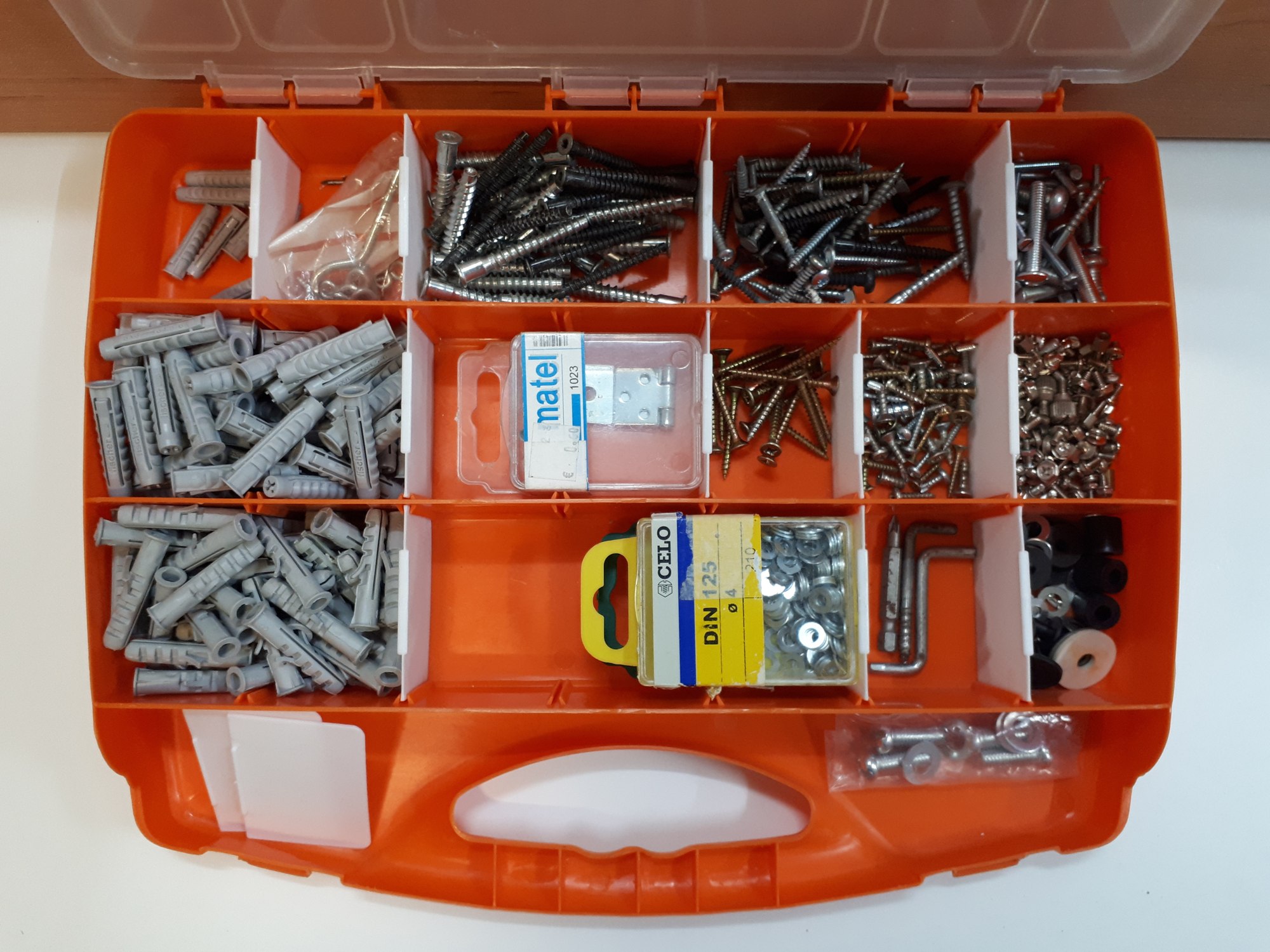
Orange compartment organiser holding separated bolts, screws, nuts and washers
Hardware organiser · object study
03

Give the small fittings a system of their own

Nuts, screws, bolts and washers sit in separate compartments in this orange organiser. Furniture fittings need the same kind of clarity: keep removed parts together, identify the item they belong to and keep instructions available. Photograph unusual connections before disassembly and agree who is responsible for the small parts during transit. Ask about flat-pack pieces or damaged joints before work begins. The goal is not simply an empty old room; it is enough organised information and hardware to make the destination usable again.

Keep the handoff clear
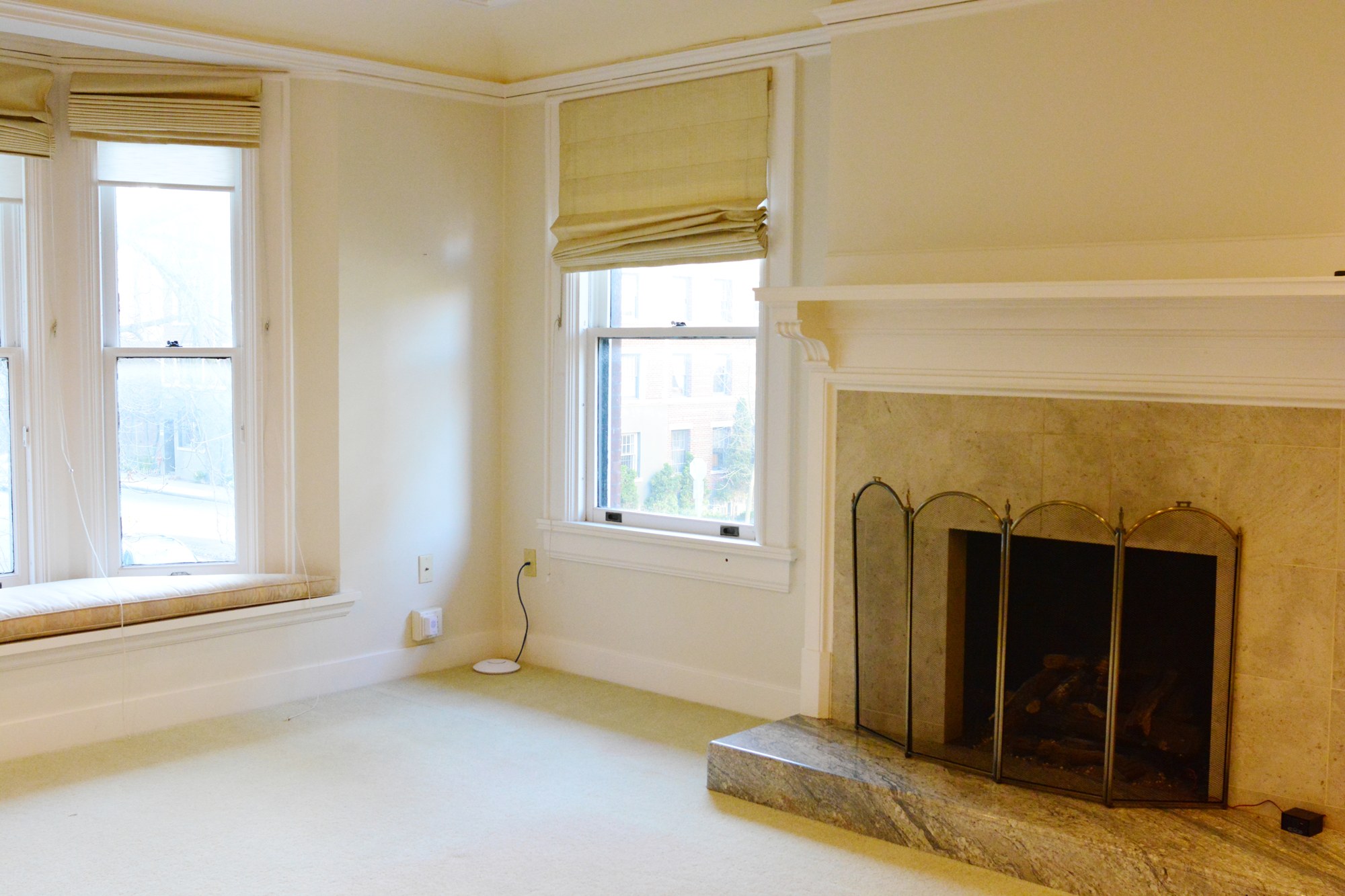
Light-filled second-floor room with windows and a fireplace at Hofius House in Seattle
Room layout · Hofius House
04

An open room makes the destination easier to imagine

Sunlight reaches the floor of the second-floor primary suite at Seattle’s Hofius House. With few large objects in the photograph, the fireplace, windows and open floor area define the room. Use the same kind of clear view of your actual destination to think about where furniture will go before it arrives. Keep the intended route and a simple room plan available to the crew. Confirm reassembly, wall fixing, levelling and any specialist tasks separately in writing; one word such as “furniture” does not describe all that work.

Make the written scope specific
Your next step

Make a plan you can keep.

Organize the move type, timing and general locations without giving a name, email, phone number or street address. The anonymous itinerary stays in your browser.

Build My Move Itinerary