Seattle · custom crating art glass

Art and glass need an object-specific conversation

Begin with the material, shape and condition. A glass artist at work and a stoneware vase tell different stories; neither is a photograph of a piano move or a promised crating service.

Fragile objects

Look at the actual object before naming the protection

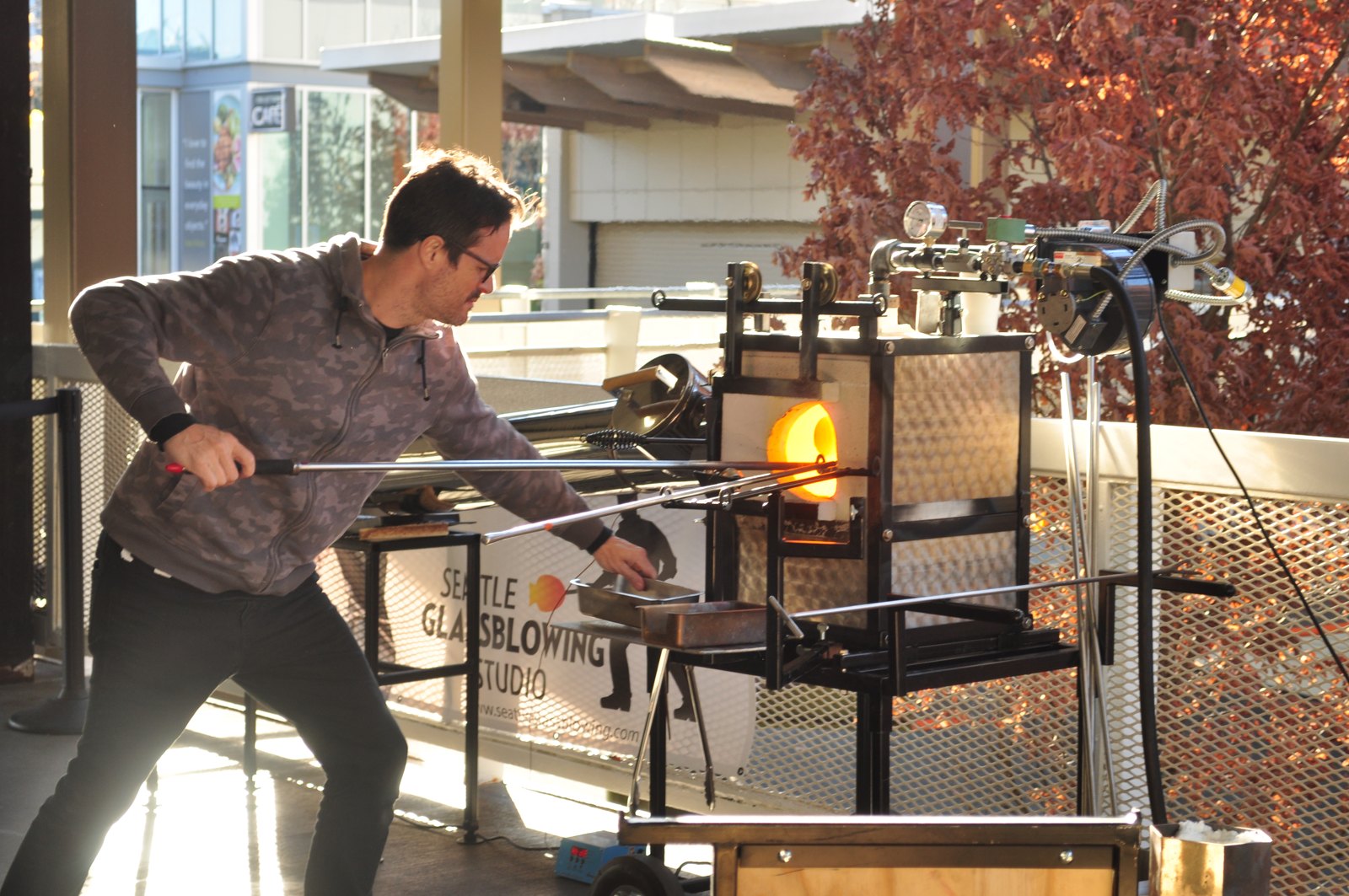
Glassblower working at the Seattle Center Monorail station
Glass work · Seattle Center
01

Glass in the making at Seattle Center

A glassblower works with a glowing piece at Seattle Center’s Monorail station in this photograph. The scene belongs to Seattle’s glass-making culture. For a move involving a glass object, begin with its own form: thin edges, projecting parts, a base, a frame or a surface that should not be pressed against. Show the item clearly to a qualified handler and ask what protection is appropriate. Keep the item’s condition record with the agreed handling scope.

Make the object’s condition part of the plan
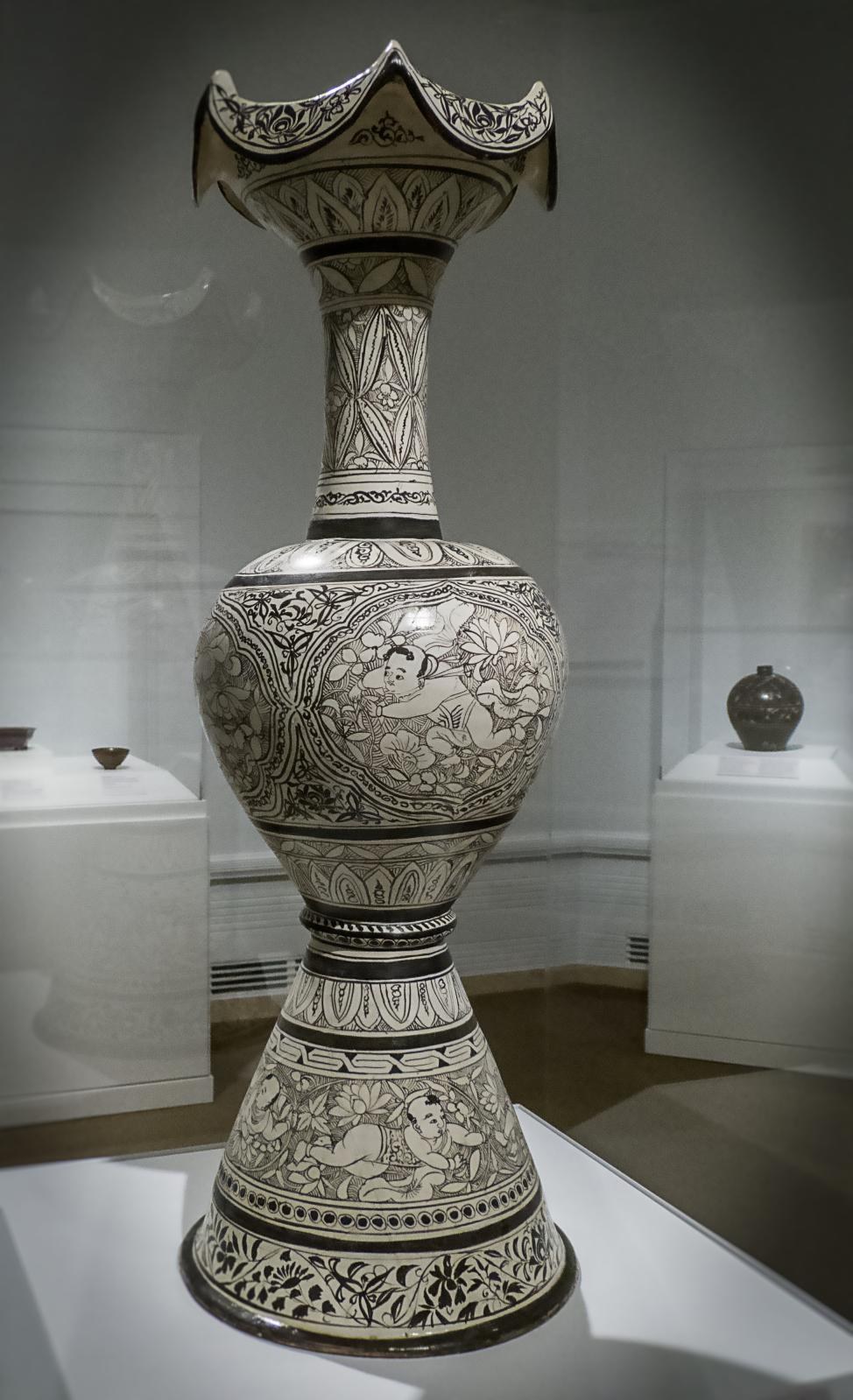
Cizhou stoneware vase with black decoration on a white ground, photographed at Seattle Asian Art Museum
Cizhou stoneware · Asian Art Museum
02

Stoneware has a different surface to record

Black decoration curves around a Cizhou stoneware vase photographed at Seattle Asian Art Museum. The source identifies the piece as Jin-period stoneware, not glass. Its form is a useful reminder to describe material and condition precisely rather than using “fragile” as the whole inventory entry. For your own object, record the base, rim, sides and existing marks before packing. Keep the record privately and ask a suitable specialist about supports, contact materials and the handling plan for that particular piece.

Describe a delicate item precisely
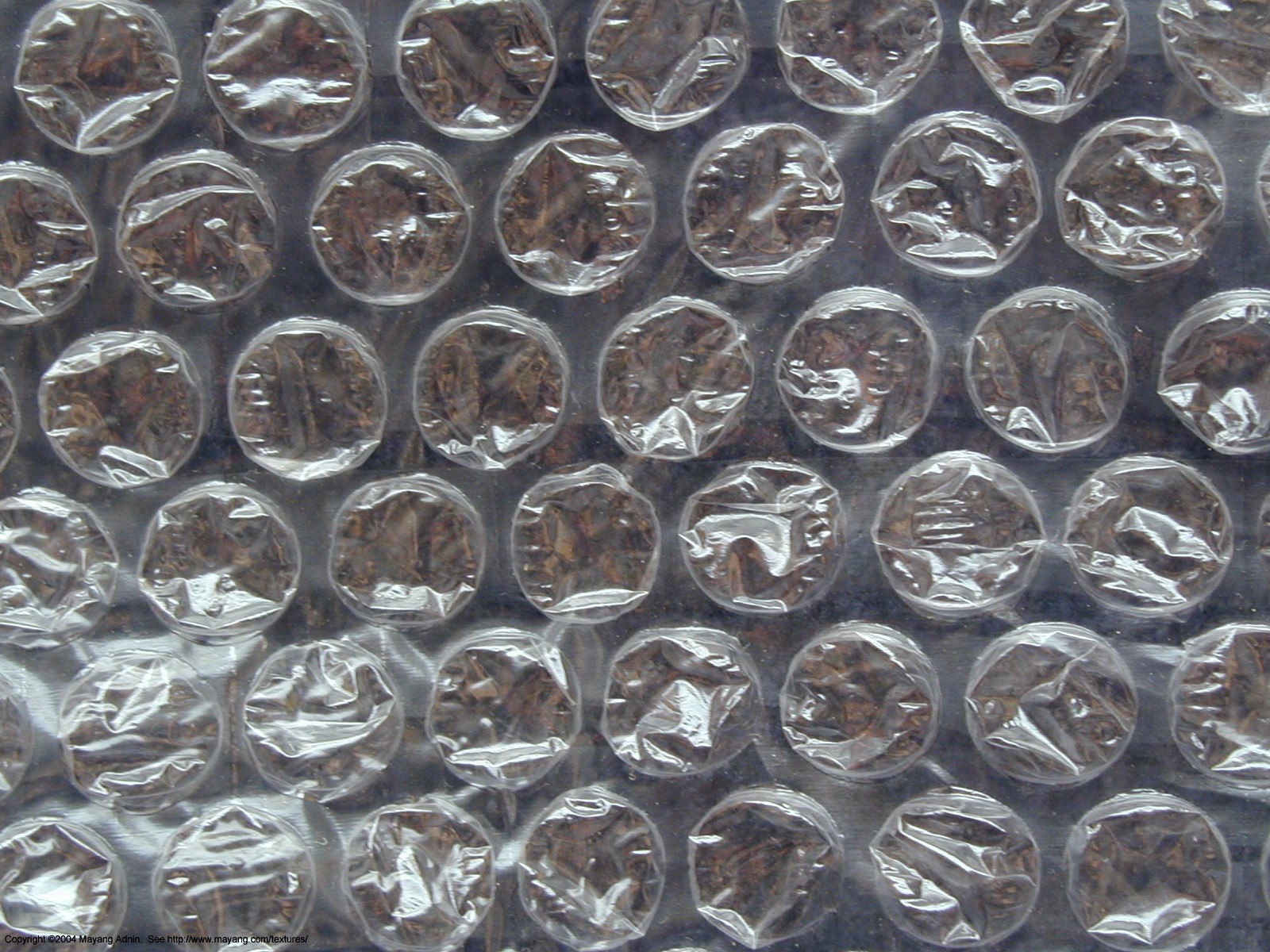
Close view of transparent packing film with rows of round air-filled bubbles
Bubble cushioning · material study
03

A cushioning material is only one part of protection

Rows of air-filled bubbles are visible in this close photograph of cushioning film. It shows a packing material, not a completed protective system. Ask the specialist what should touch the object, how movement will be controlled and whether a crate, frame protection or another method is needed. Material choice should follow the item and its condition. Agree who packs, transports, stores and opens the piece, and keep the written scope and condition record together.

Plan materials in context
04

Keep condition, handling and protection terms separate

A packing method, a condition record and financial protection answer different questions. Ask the responsible provider what its valuation or insurance terms cover, what exclusions apply and who handles a claim. If more than one specialist is involved, identify responsibility at each handoff in writing. Do not infer cover from a crate, a photograph or a general assurance that an item is “insured.” Confirm the applicable documents before the work begins.

Read the high-value guide
Your next step

Make a plan you can keep.

Organize the move type, timing and general locations without giving a name, email, phone number or street address. The anonymous itinerary stays in your browser.

Build My Move Itinerary