Seattle · piano heavy items

A piano is an instrument all the way through the move

Identify the piano, show the route and let the appropriate specialist plan the handling. Neither its name nor a road distance describes the whole job.

Piano and heavy-item planning

Keep the instrument in the picture

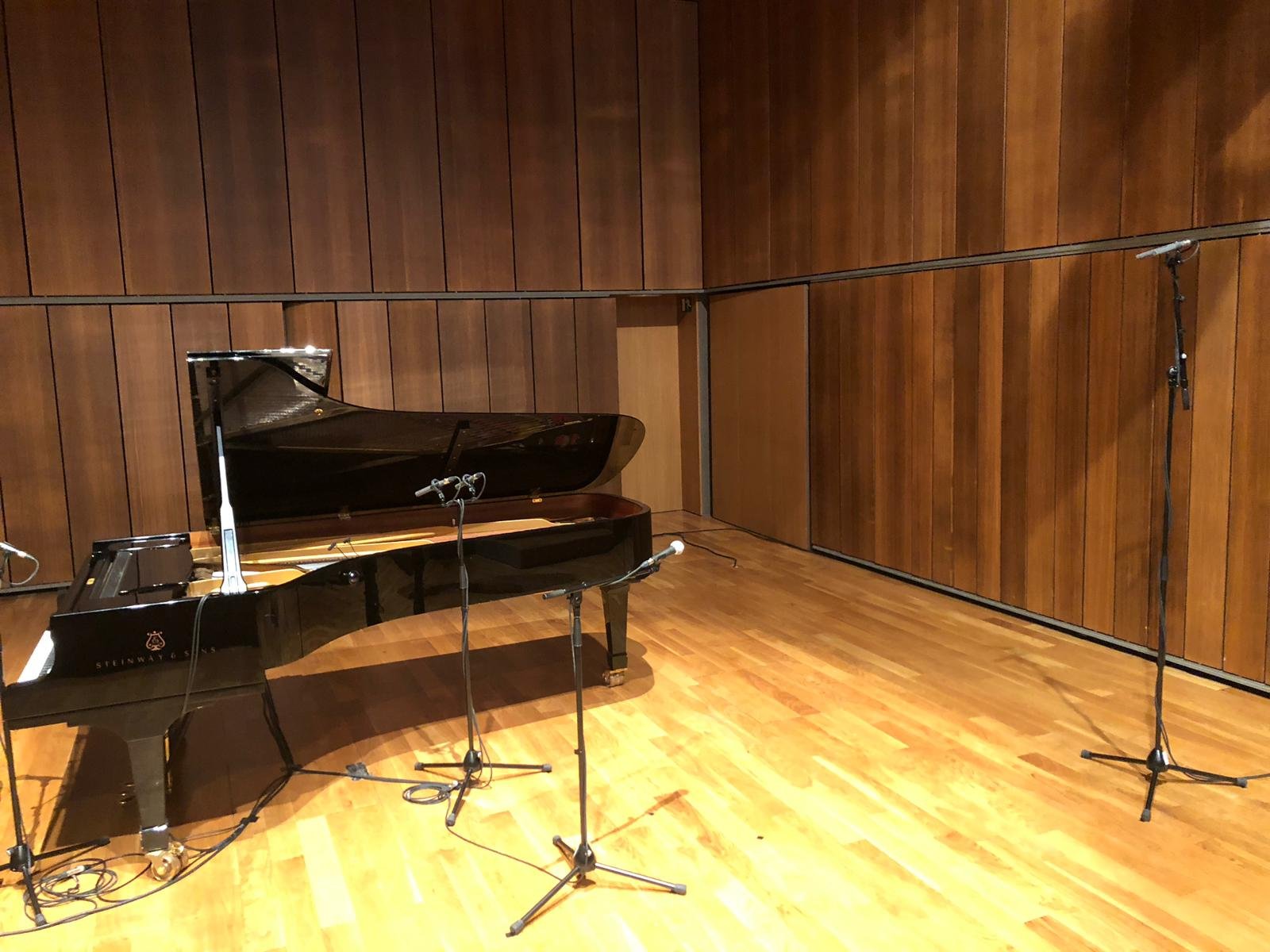
Open black grand piano with its case and legs visible on a wooden performance-room floor beside microphones
Grand piano · instrument study
01

The case, lid and legs are separate things to assess

An open grand piano stands on a wooden performance-room floor, with microphones nearby. Its broad case, lid and legs are plainly visible. Give a provider the corresponding facts about your own instrument: type, make, model and any known condition issues. Ask who will perform the handling and whether the instrument requires a specialist crew. A photograph can help identify the object, but the correct preparation and lifting method must be determined by qualified people using the actual instrument and route.

Prepare the instrument details
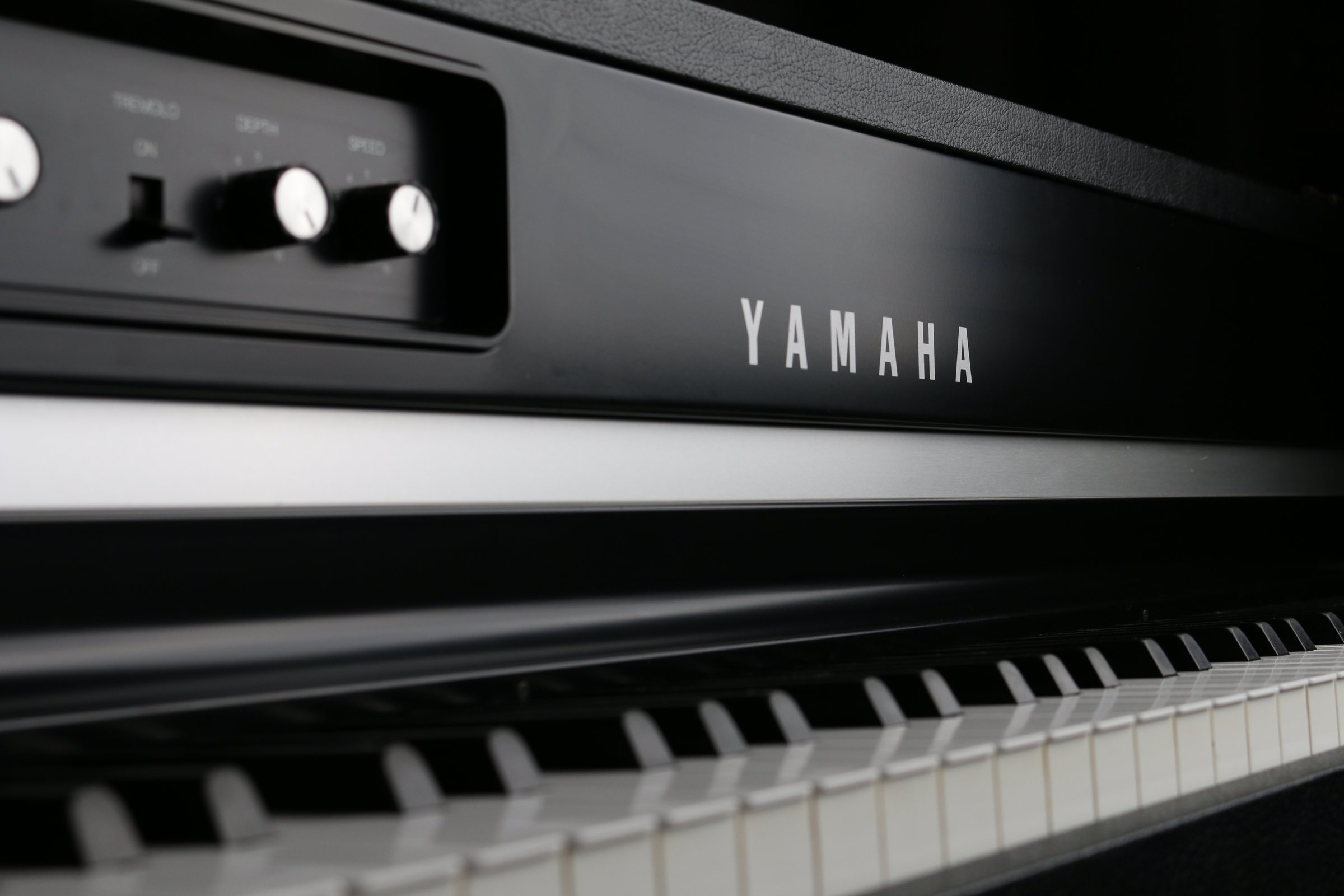
Yamaha lettering above piano keys and controls in a close view
Piano keys · instrument study
02

The name above the keys is a useful beginning

Yamaha lettering appears above the keys and controls in this close view. Record the identifying information on your own instrument rather than treating every keyboard, upright and grand as the same object. Their construction, dimensions and preparation can differ. Keep the relevant manual and discuss any servicing or post-move setup with a suitably qualified person. Agree what the moving provider will do, what another specialist must handle and how the instrument will be checked after arrival.

Plan condition records and responsibility
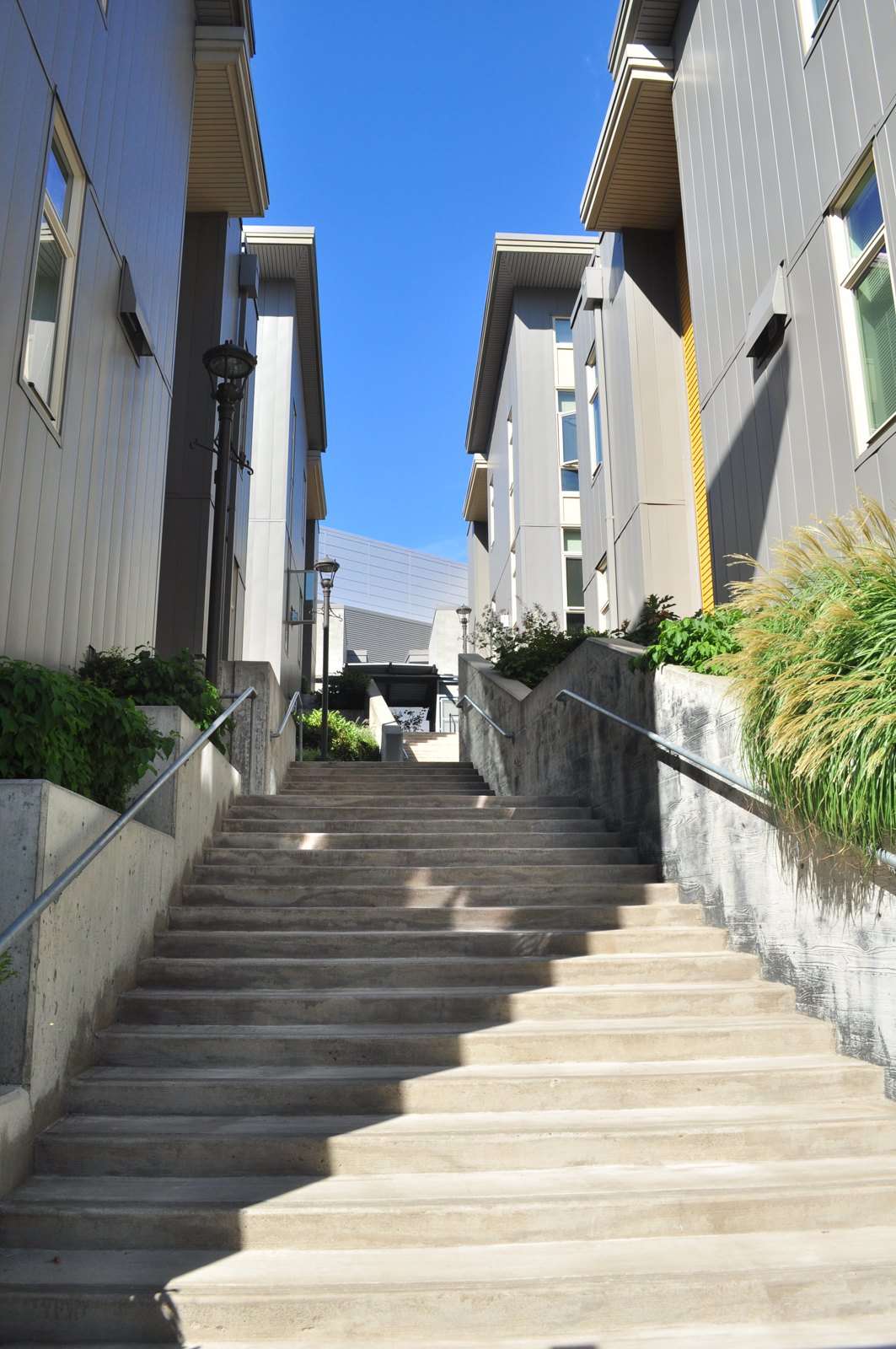
Residential buildings and pedestrian steps at Thornton Place in Seattle
Thornton Place · Northgate
03

Describe every flight between the piano and the vehicle

Thornton Place’s exterior steps make a change in level visible in a way a bedroom count never could. For a piano move, provide photographs and measurements of your own stairs, landings, doors and tight points before booking the work. Ask what a qualified assessment requires and who will make it. Do not improvise a carrying or hoisting method from an example image. The practical purpose of this stage is to let the responsible specialist understand the complete route and decide whether the job is within its scope.

Review the route, door to door
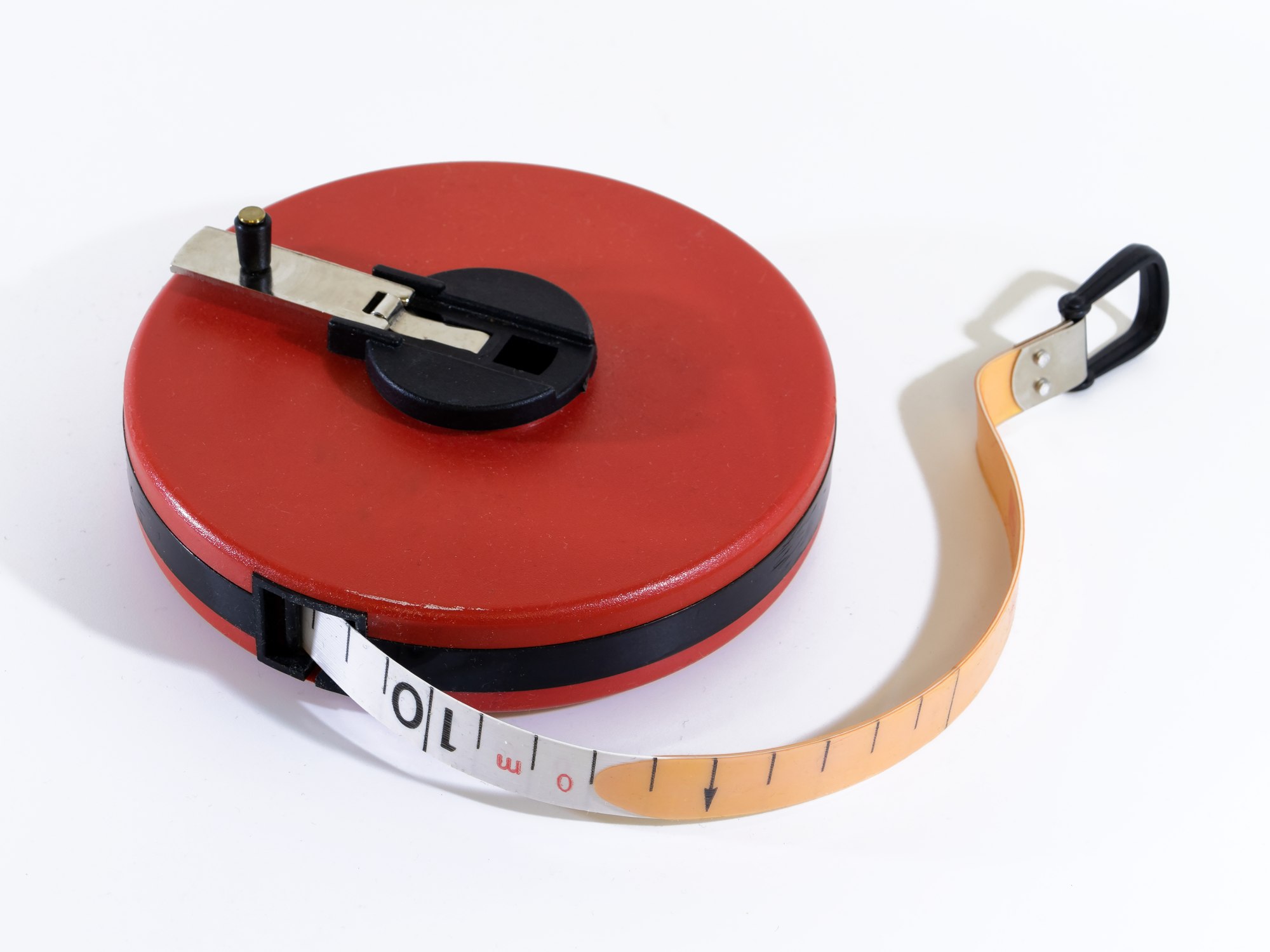
Red circular retractable measuring tape with an extended marked tape and metal end loop
Measuring tape · object study
04

Measurements turn a conversation into an assessment

A retractable measuring tape is shown with its marked strip extended. Use measurements requested by the specialist to describe the instrument and route accurately, and make sure they refer to the correct doors and narrowest points. Include the destination room and any floor-protection requirements. Keep the measurements with clear photographs and the agreed written scope. The provider should explain what happens if access is unsuitable and whether tuning, setup or another post-delivery service needs a separate professional.

Keep the agreed plan available
Your next step

Make a plan you can keep.

Organize the move type, timing and general locations without giving a name, email, phone number or street address. The anonymous itinerary stays in your browser.

Build My Move Itinerary